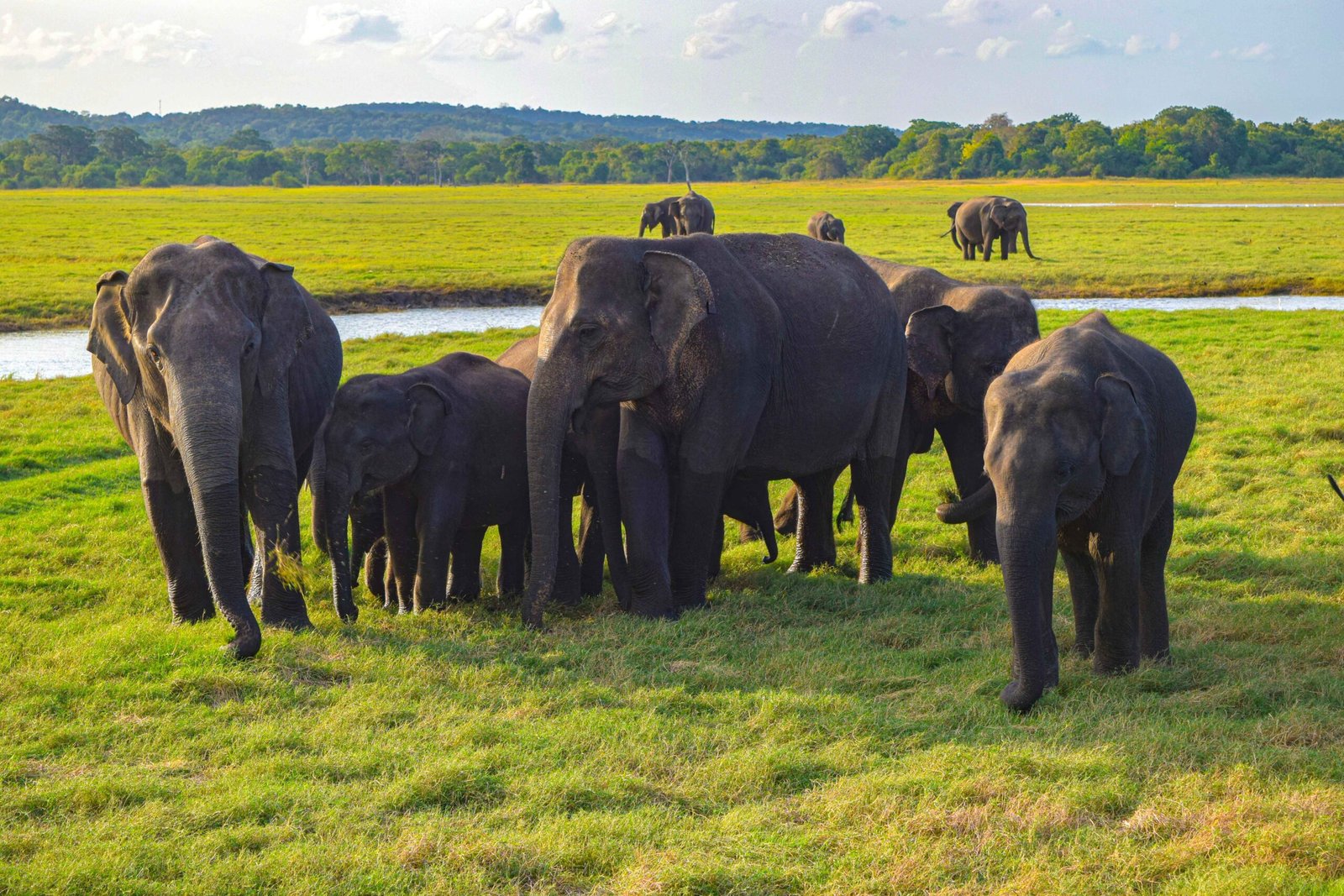
If there is one wildlife spectacle in Sri Lanka that can truly be described as “breathtaking,” it is the annual congregation of wild elephants at Minneriya National Park. Known globally as “The Gathering,” this event is recognized by travel experts as one of the top ten greatest wildlife spectacles on the planet.
Located in the heart of the Cultural Triangle, Minneriya is not just a park; it is a seasonal sanctuary that offers a front-row seat to the largest gathering of Asian elephants in the world. For any traveler visiting Sri Lanka in 2026, a safari in Minneriya is an absolute “must-do” on their wild side adventure.
The Phenomenon: What is “The Gathering”?
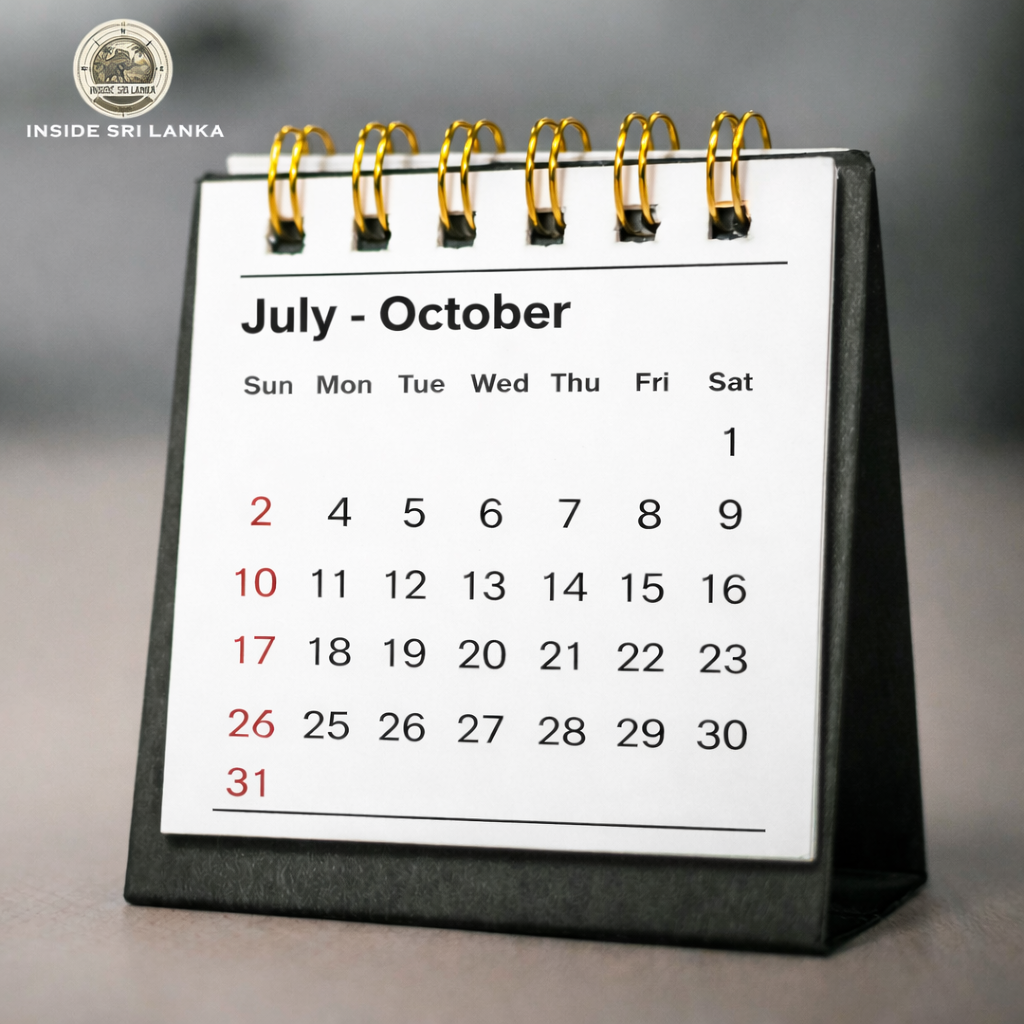
“The Gathering” is not a staged event; it is a natural phenomenon that has occurred for centuries. During the dry season (from July to October), the water levels in the surrounding reservoirs drop, and the massive Minneriya Wewa (built by King Mahasen in the 3rd century AD) reveals its lush, grassy bed.
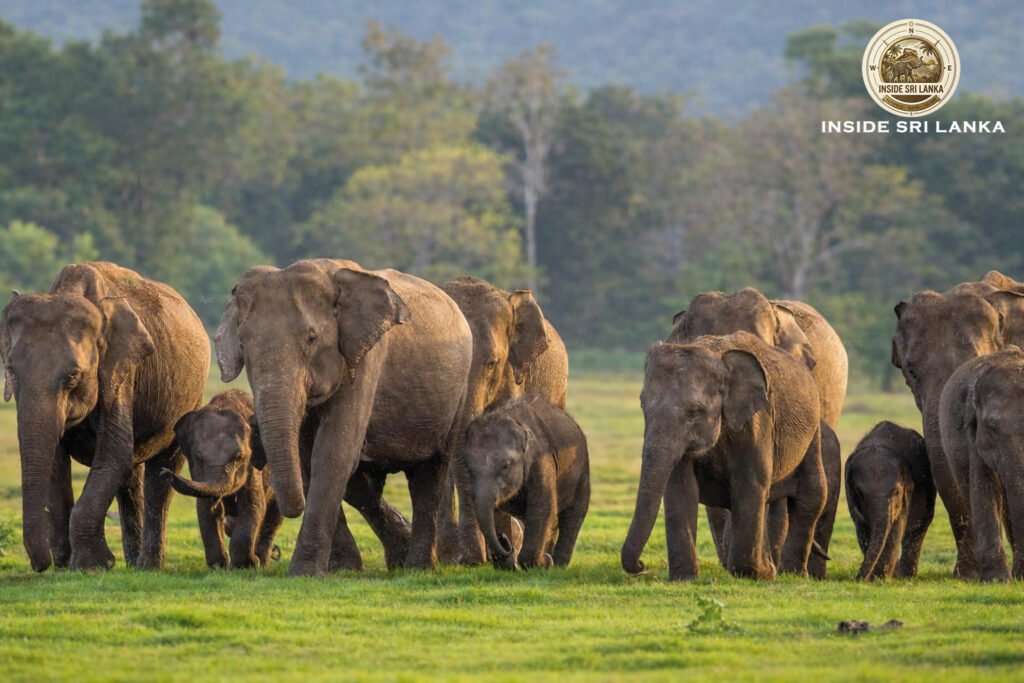
As the surrounding jungles dry up, hundreds of elephants from the Matale, Polonnaruwa, and Trincomalee districts migrate to Minneriya for two things: water and fresh grass. It is not uncommon to see 200 to 300 elephants at a single time, socialising, bathing, and grazing on the fertile plains. Unlike in other parts of the world where you might see one or two elephants, here you see entire generations—from tiny, playful calves to majestic, weathered matriarchs.
The Experience: What to Expect on a Minneriya Safari
Unlike Yala, where the focus is on the elusive leopard, Minneriya is all about the abundance of elephants.
- The Sight: Imagine looking across a vast green plain and seeing dozens of elephant families. You will see calves playing under their mothers’ legs, majestic matriarchs leading their herds, and massive bulls standing on the outskirts.
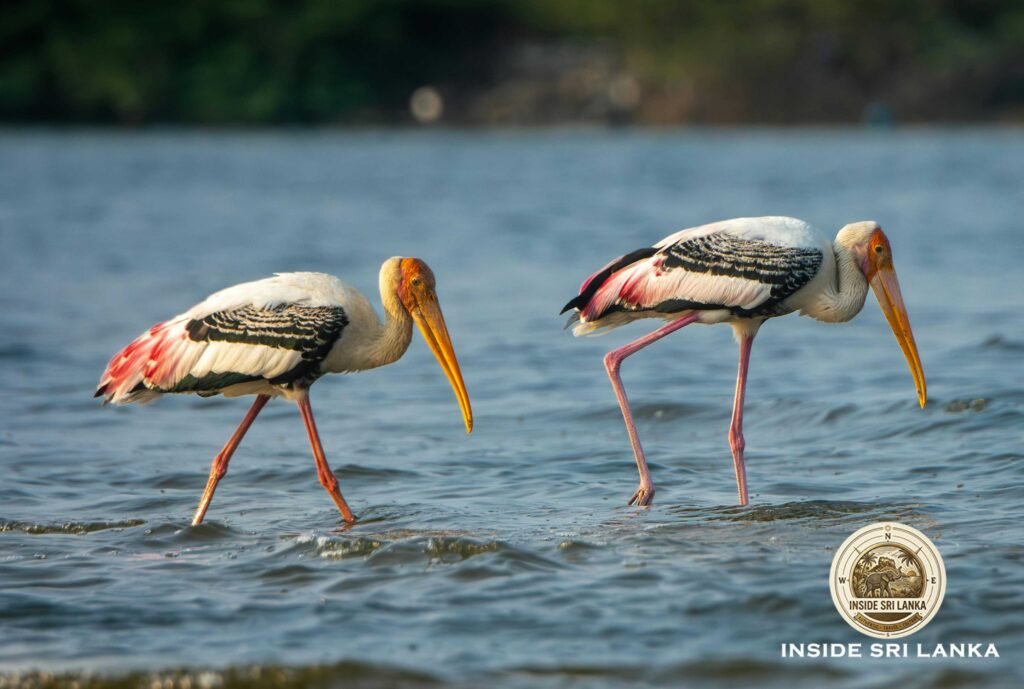
- Other Wildlife: While elephants are the stars, keep an eye out for painted storks, large white pelicans, and grey herons near the water’s edge. You might also spot spotted deer, purple-faced langurs, and if you are very lucky, a jungle cat.
- The Sunset: Most safaris take place in the late afternoon. As the sun begins to set over the reservoir, the golden light creates a magical atmosphere that is perfect for photography.
Safari Logistics: Understanding Jeep Pricing and Options
One of the most frequent questions travelers ask is about the cost of a safari. It is important to understand that there is no “fixed price” because the cost depends on several dynamic factors.
- Vehicle Type and Comfort: The price of a safari jeep varies significantly based on the vehicle’s condition. You can choose a basic 4WD jeep for a rugged experience or a high-end, luxury safari vehicle with modified seating and better suspension for a more comfortable ride.
- Duration of the Safari: You can opt for a standard half-day safari (around 3-4 hours) or a full-day safari. Naturally, the longer the jeep and driver are dedicated to you, the higher the cost will be.
- Park Selection: In this region, elephants often move between Minneriya, Kaudulla, and Hurulu Eco Park via an elephant corridor. Depending on which park the elephants are currently gathered in, the distance the jeep has to travel changes, which affects the final price.
- Entrance Fees: Remember that the jeep cost is separate from the National Park entrance fee. Entrance fees are set by the Department of Wildlife Conservation and are usually paid in local currency at the gate.
Practical Information for 2026
1. The Best Time to Visit
- Peak Season: August and September are the absolute best months to see the highest number of elephants.
- The “Elephant Corridor”: From November to April (the rainy season), the elephants tend to move to nearby Kaudulla or Eco Park as the Minneriya tank fills up with water. Most experienced jeep drivers in Habarana will know exactly which park has the most elephants on any given day, so it’s always good to ask for their advice.
2. Planning Your Day
Minneriya is conveniently located near Habarana and Sigiriya. This makes it very easy to combine a morning climb of Sigiriya Rock with an afternoon safari in Minneriya. This is a popular itinerary because it lets you experience ancient history in the morning and raw nature in the evening.
3. What to Bring
- Neutral Clothing: Wear light, breathable clothes in earth tones like khaki or green. Avoid very bright colors that might startle the animals.
- Binoculars: While the elephants are large, having binoculars lets you see the intricate details of their behavior and the vibrant birdlife around the water.
- Sun Protection: Even in the afternoon, the tropical sun is strong. A hat, sunglasses, and sunscreen are essential.
Responsible Tourism: Tips for a Better Safari
In 2026, conservation is more important than ever. To ensure these magnificent creatures continue to return to Minneriya, please follow these guidelines:
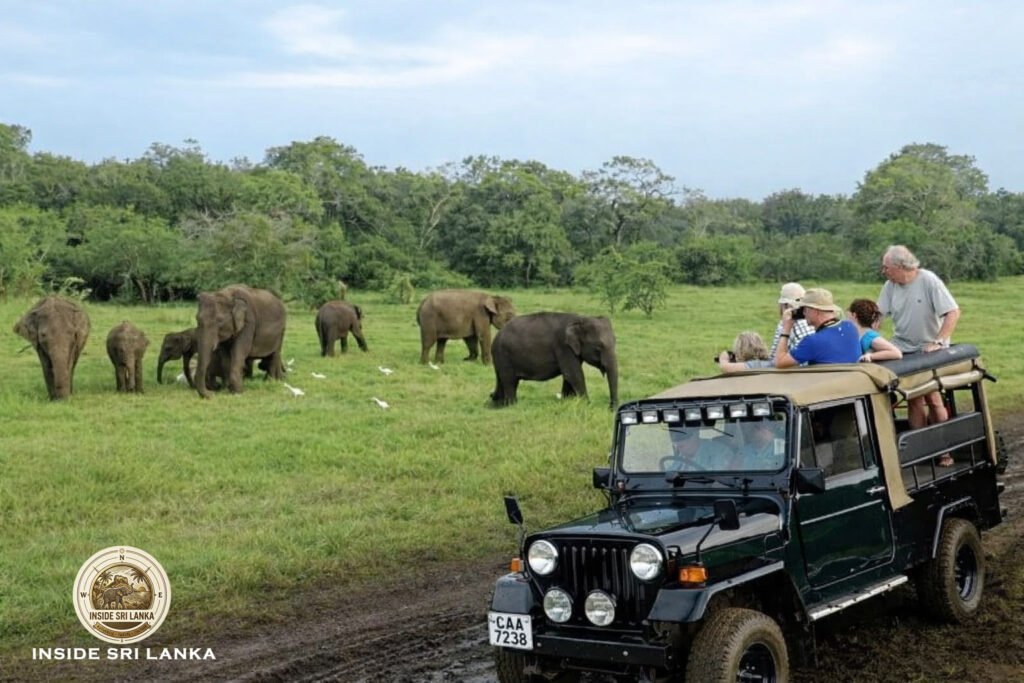
- Maintain Distance: Ensure your jeep driver does not drive too close to the herds. Respect their space.
- Silence is Golden: Keep your voice low. Loud noises can startle the elephants and cause them to retreat into the forest.
- No Flash Photography: This can annoy or blind the animals, especially during the twilight hours.
- Take Your Trash Back: Never leave plastic or food waste inside the park.
Summary Table for Travelers
| Feature | Detail |
| Main Attraction | The Great Elephant Gathering |
| Best Months | July to October |
| Location | Near Habarana / Sigiriya |
| Wildlife | Asian Elephants, Birds, Deer |
| Safari Type | Private 4WD Jeep |
Conclusion: A Memory for a Lifetime
There is something deeply humbling about watching a wild elephant herd in its natural habitat. Minneriya offers a rare opportunity to see these giants not in chains, but in their full, free glory. It is a powerful reminder of why we must protect the “Wild Side” of Sri Lanka. If you are coming to the island in 2026, make sure you witness the gathering—it is a story you will be telling for years to come.