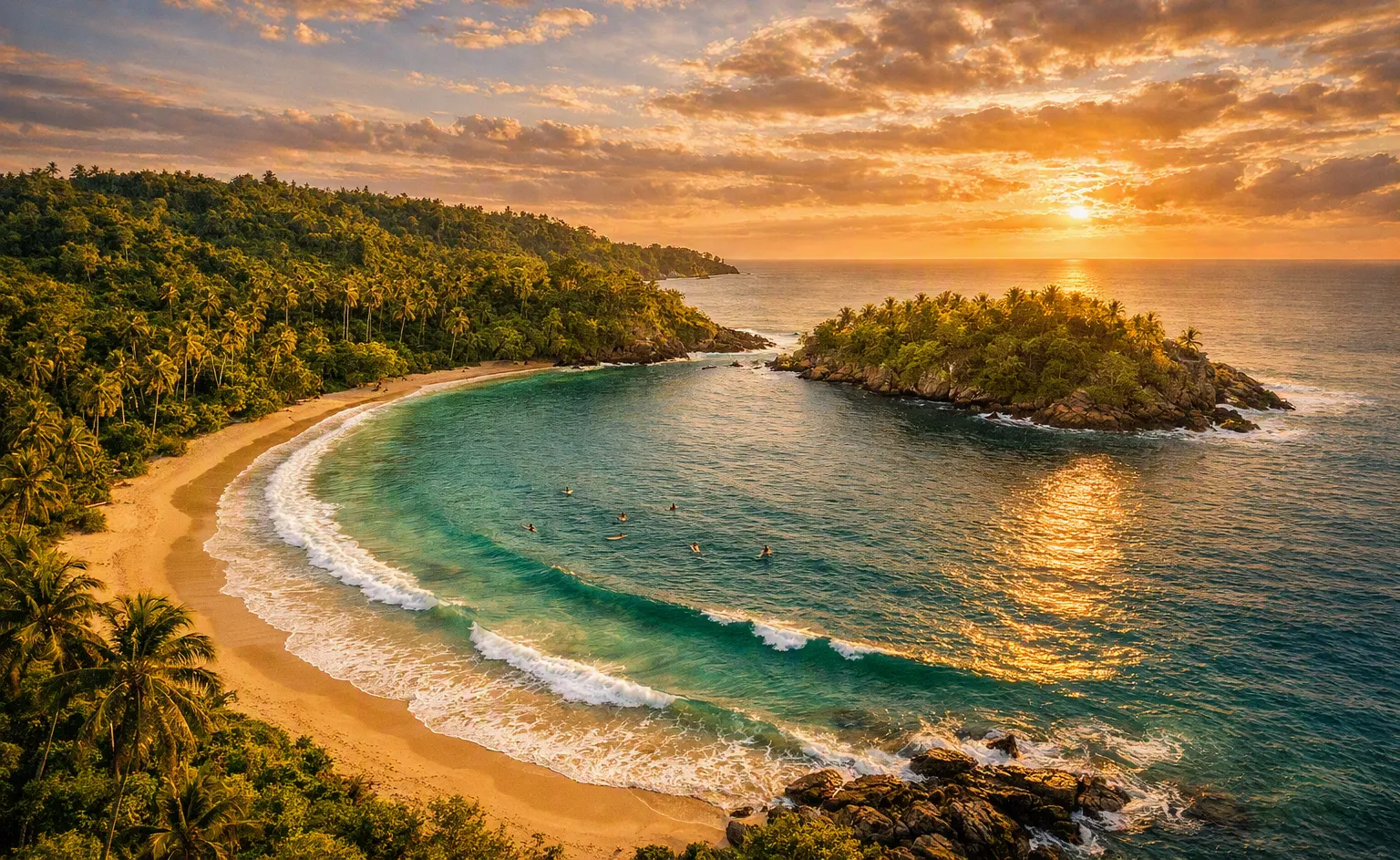
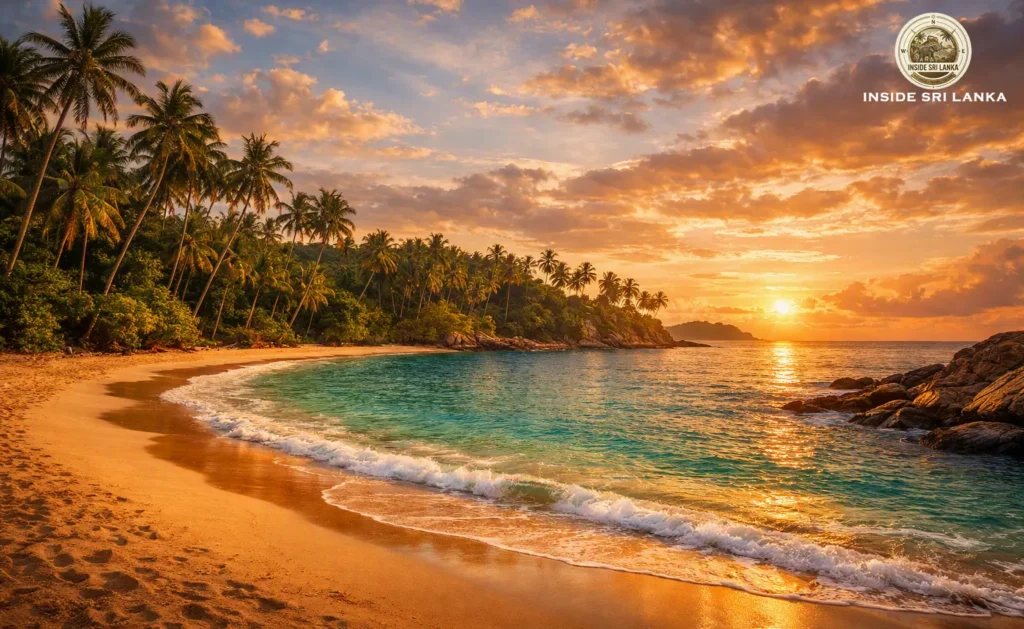
Sri Lanka’s coastline stretches over 1,300 kilometers, wrapped in warm Indian Ocean waters, swaying coconut palms, and golden sands. Whether you want to catch world-class waves, dive with marine life, or sit back with a fresh king coconut while watching a fiery sunset, this island has a beach crafted specifically for your style of travel.
Having explored every bend of this tropical coastline from the buzzing surf hubs of the south to the pristine, quiet shores of the east I’ve put together this comprehensive guide to help you find your personal patch of coastal perfection.
The South Coast: Sun, Surf, and Vibrant Energy
1. Mirissa: Whales, Palm Groves, and Golden Hour Magic
Mirissa remains one of Sri Lanka’s most iconic beach towns, balancing a lively coastal environment with pockets of sheer tropical beauty. The main beach forms a gentle crescent rimmed by tall palms and casual beachside cafes that illuminate with seafood displays as the sun goes down.
- The Vibe: Energetic, social, and photogenic.
- Best Time to Visit: November to April.
- What Makes It Special: Beyond the relaxed beach days, Mirissa is world-famous as a launching pad for blue whale watching tours during the winter ocean calm.
- Insider Tip: Walk over to Coconut Tree Hill during early morning rather than sunset. You’ll beat the crowds and get the morning light reflecting off the ocean behind the palm grove. For a quieter swim away from the main beach break, stroll over to Secret Beach, a secluded cove tucked away behind the main headland.
2. Hiriketiya Bay: The Horseshoe Surf Haven
Tucked away near Dickwella, Hiriketiya (or “Hiri”) transformed from a tiny, sleepy fishing cove into a bohemian surf paradise. The horseshoe-shaped bay creates a unique wave dynamic, offering a soft beach break for beginners on one side and a faster reef break for experienced surfers on the other.
- The Vibe: Trendy, relaxed, and surf-centric.
- Best Time to Visit: November to April.
- What Makes It Special: The thick jungle canopy grows right down to the sand, giving Hiriketiya a lush, hideaway feel. Surfboards line the shore, and rustic cafes serve excellent specialty coffee and wood-fired pizzas right on the beach.
- Insider Tip: The bay gets busy by midday. Rent a board at 7:00 AM when the water is glassy and the sun isn’t too harsh. If you need a break from surfing, walk over the rocky headland to Dickwella Beach for vast, quiet stretches of sand.
3. Unawatuna: Family-Friendly Coves and Colonial Charm
Located just 15 minutes from the historic Galle Fort, Unawatuna is a classic Sri Lankan holiday hub. Protected by a coastal reef, its main bay offers calm, swimmer-friendly waters year-round a rare feature along the south coast where swells can occasionally run high.
- The Vibe: Accessible, family-friendly, and convenient.
- Best Time to Visit: November to April.
- What Makes It Special: It’s the ultimate base for travelers who want beach relaxation during the day and culture, boutique shopping, and fine dining inside Galle Fort in the evening.
- Insider Tip: Skip the main strip of beach if you want pure tranquility. Instead, follow the jungle path leading toward Jungle Beach, a smaller sheltered cove ideal for snorkeling among coral reefs and colorful reef fish.
4. Bentota: Luxury, Watersports, and Wide Estuaries
If wide, uninterrupted golden sand and tranquil luxury resorts sound appealing, Bentota delivers. Situated on a narrow strip of land between the Indian Ocean and the calm Bentota River estuary, this area is widely known as Sri Lanka’s watersports capital.
- The Vibe: Upscale, spacious, and peaceful.
- Best Time to Visit: October to April.
- What Makes It Special: The sheer size of the beach means it never feels overcrowded. You can spend your morning jet-skiing or river-safariing along the estuary and your afternoon unwinding at a peaceful heritage resort.
- Insider Tip: Take a boat safari up the Bentota Ganga (river) into the mangrove ecosystems. You’ll spot water monitors, river birds, and lush aquatic flora just minutes away from the ocean roar.
The East Coast: Off-the-Beaten-Path Pristine Sands
While the south coast shines during the winter months, the east coast comes alive when the southwest monsoon shifts. Featuring wider bays, lighter sand, and turquoise waters, the east coast offers a completely different rhythm.
5. Arugam Bay: The World-Class Surf Capital
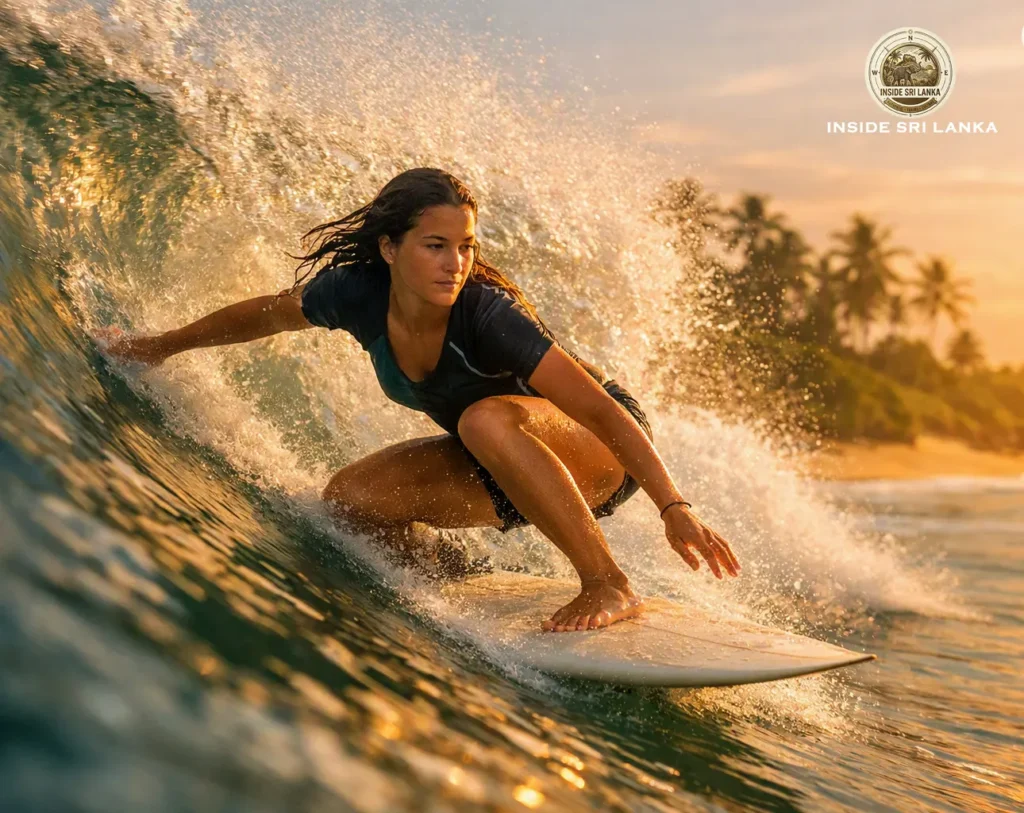
Located on the edge of the southeastern dry zone, Arugam Bay (A-Bay) is a legendary right-hand point break that attracts surfers from every corner of the globe. The town itself operates on a slow, laid-back frequency where days are measured by wave sets and ocean tides.
- The Vibe: Laid-back, adventurous, and international.
- Best Time to Visit: May to September.
- What Makes It Special: It’s one of the top point breaks in Asia. Even if you don’t surf, watching the pros glide down massive lines at Main Point while eating a fresh breakfast on the beach is an experience in itself.
- Insider Tip: Rent a scooter and head south toward Elephant Rock or Peanut Farm Beach. These spots offer fantastic alternative wave breaks and scenic landscapes where wild elephants occasionally roam nearby as evening approaches.
6. Nilaveli & Uppuveli: White Sands and Marine Parks
Located near Trincomalee, Nilaveli and its neighbor Uppuveli boast some of the softest, palest sand and clearest turquoise waters in Sri Lanka. The ocean here is exceptionally calm during the dry season, resembling a giant swimming pool.
- The Vibe: Peaceful, tropical, and pristine.
- Best Time to Visit: May to September.
- What Makes It Special: Nilaveli is the gateway to Pigeon Island National Park, one of Sri Lanka’s premier marine sanctuaries.
- Insider Tip: Take a 15-minute boat ride from Nilaveli beach to Pigeon Island early in the morning. You can snorkel directly off the beach to spot live coral reefs, blacktip reef sharks, and sea turtles swimming in shallow waters.
7. Pasikudah: Shallow Lagoons and Calm Waters
Pasikudah Bay is famous for holding one of the longest stretches of shallow coastline in the world. You can walk hundreds of meters out into the clear ocean with the water barely reaching your waist, making it one of the safest beaches on the island for families with young children.
- The Vibe: Serene, resort-focused, and ultra-safe.
- Best Time to Visit: May to September.
- What Makes It Special: The glass-like water conditions make it ideal for paddleboarding, kayaking, or simply wading out with a cold drink.
The Wild & West Coasts: History, Nature, and Sunset Views
8. Tangalle: Wild Beauty and Crashing Waves
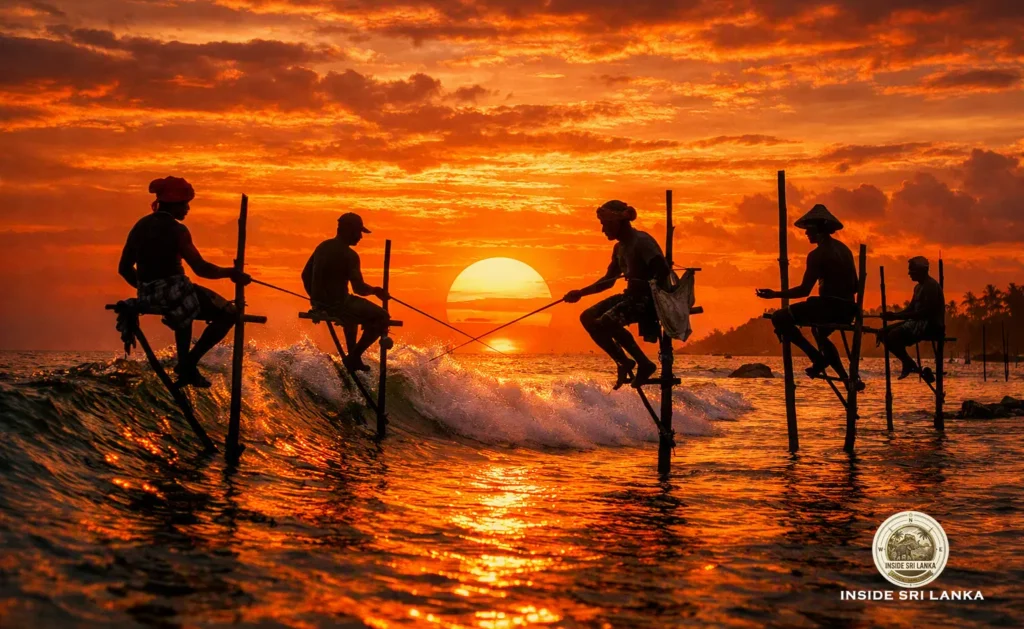
As you move further east along the south coast past Matara, Tangalle opens up into vast, wild expanses of coastline. Beaches like Goyambokka, Silent Beach (Amanwella), and Tangalle Main Beach feature dramatic headlands, turquoise waters, and far fewer tourists.
- The Vibe: Dramatic, Romantic, and Unspoiled.
- Best Time to Visit: November to April.
- What Makes It Special: Tangalle feels untamed. Thick coconut groves line vast stretches of sand where you can walk for miles without seeing major commercial setups.
- Insider Tip: Visit Rekawa Beach nearby at night (between April and September) to witness green sea turtles coming ashore to nest under strict, non-intrusive conservation supervision.
9. Hikkaduwa: Coral Reefs and Nightlife
Hikkaduwa was one of the original coastal spots discovered by travelers in the 1970s. Located on the southwest coast, it offers a well-balanced blend of marine life, surfing, and energetic beachfront dining options.
- The Vibe: Classic, active, and social.
- Best Time to Visit: November to April.
- What Makes It Special: The shallow reef at the northern end of the beach is home to resident giant green sea turtles that regularly swim right up to the shore.
- Insider Tip: Please refrain from feeding the turtles sea grass bought from hawkers on the beach. Enjoy watching these majestic creatures naturally swim through the reef without human interference.
10. Kalpitiya: Windsurfing, Kiteboarding, and Dolphins
Located on the northwest peninsula, Kalpitiya remains largely unaffected by mass tourism. The geography here creates a flat-water lagoon on one side and the open ocean on the other, fueled by reliable seasonal winds.
- The Vibe: Raw, eco-friendly, and adventure-driven.
- Best Time to Visit: May to October (for Kiteboarding) & November to April (for Dolphin Watching).
- What Makes It Special: Kalpitiya is one of Asia’s premier kiteboarding destinations. Additionally, the waters off the Kalpitiya peninsula host massive super-pods of spinner dolphins numbering in the hundreds during the calm winter season.
Quick Seasonality Reference: When to Visit Where
Sri Lanka’s unique dual-monsoon system means there is always a perfect beach somewhere on the island, regardless of what month you plan your trip:
| Region | Key Beaches | Best Months (Dry Season) |
| South & Southwest Coast | Mirissa, Hiriketiya, Unawatuna, Tangalle, Bentota, Hikkaduwa | November to April |
| East Coast | Arugam Bay, Nilaveli, Uppuveli, Pasikudah | May to September |
| Northwest Coast | Kalpitiya | May to October (Kiting) / Nov to April (Dolphins) |
Essential Travel Tips for Sri Lankan Beaches
- Respect Ocean Currents: The Indian Ocean can have strong rip tides, particularly during seasonal transitions. Always ask locals or hotel staff if a specific bay is safe for swimming before jumping in.
- Support Local Beach Shack Economy: Enjoy fresh king coconut water (Thambili) from local roadside vendors and sample freshly caught seafood prepared with authentic Sri Lankan spices at beachside shacks.
- Leave No Trace: Protect these beautiful marine ecosystems by taking your trash with you, using reef-safe sunscreen, and avoiding single use plastics whenever possible.
Whether you’re looking to catch your very first wave at Hiriketiya, dive into marine sanctuaries at Nilaveli, or watch the sun dip below the horizon with a cold lion lager in Mirissa, Sri Lanka’s coastline delivers unforgettable tropical memories. Pick the right coast for your travel dates, pack your swimwear, and enjoy the warmth of Sri Lankan island life!