For any traveler seeking the soul of Sri Lanka, the journey begins in Anuradhapura. As the first capital of ancient Lanka, this city is not merely a collection of ruins; it is a living testament to a civilization that flourished for over 1,300 years. Founded in the 4th century BC, Anuradhapura served as the political and religious epicenter of the island until the early 11th century AD.
Today, as we explore this UNESCO World Heritage site in 2026, it remains one of the world’s major archaeological marvels, comparable only to the grandest pyramids of Egypt or the temples of Angkor Wat. Whether you are a history buff, a spiritual seeker, or a lover of ancient engineering, Anuradhapura offers an experience that is both humbling and awe-inspiring.
1. The Spiritual Heart: The Atamasthana (The Eight Sacred Sites)
The most important part of an Anuradhapura tour is visiting the Atamasthana. These eight sites are deeply revered by Buddhists and offer a glimpse into the architectural grandeur of the past.
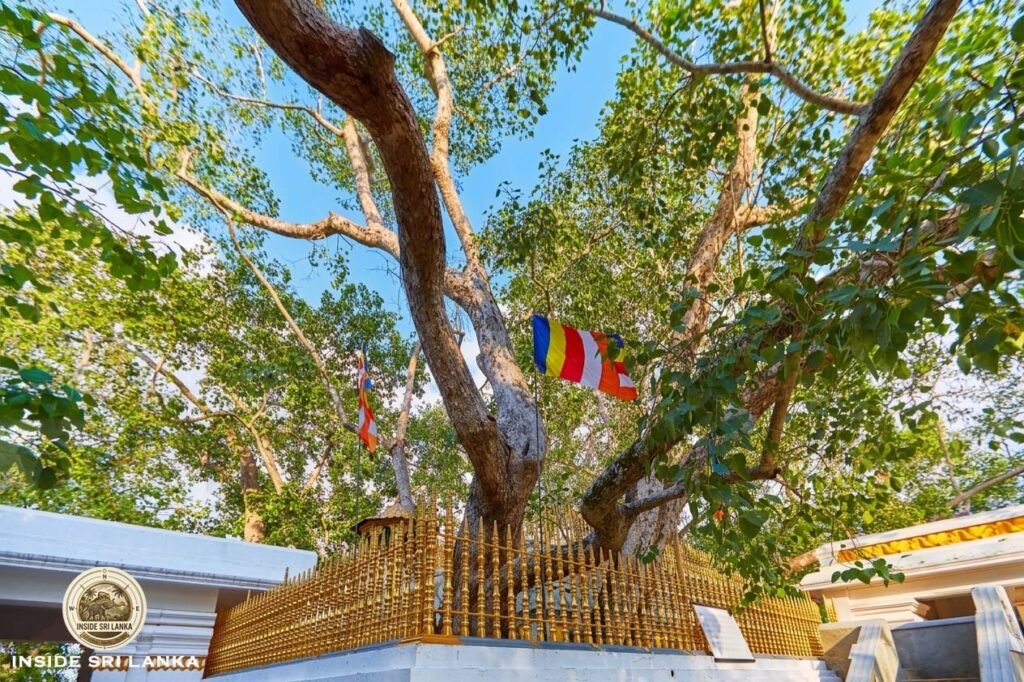
- Jaya Sri Maha Bodhi: This is the oldest human-planted tree in the world with a documented history. It was grown from a sapling of the historical Bodhi tree under which Lord Buddha attained enlightenment.
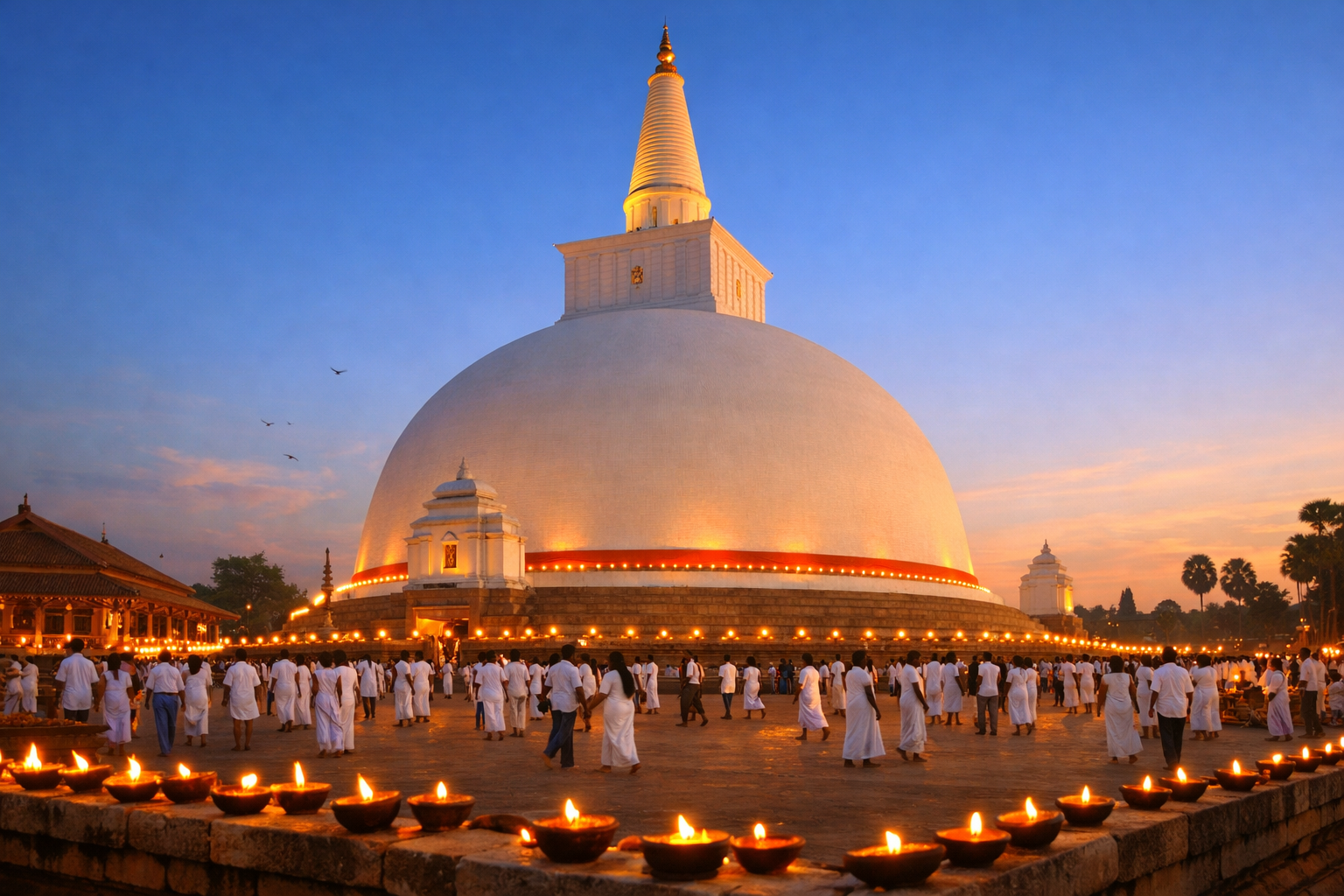
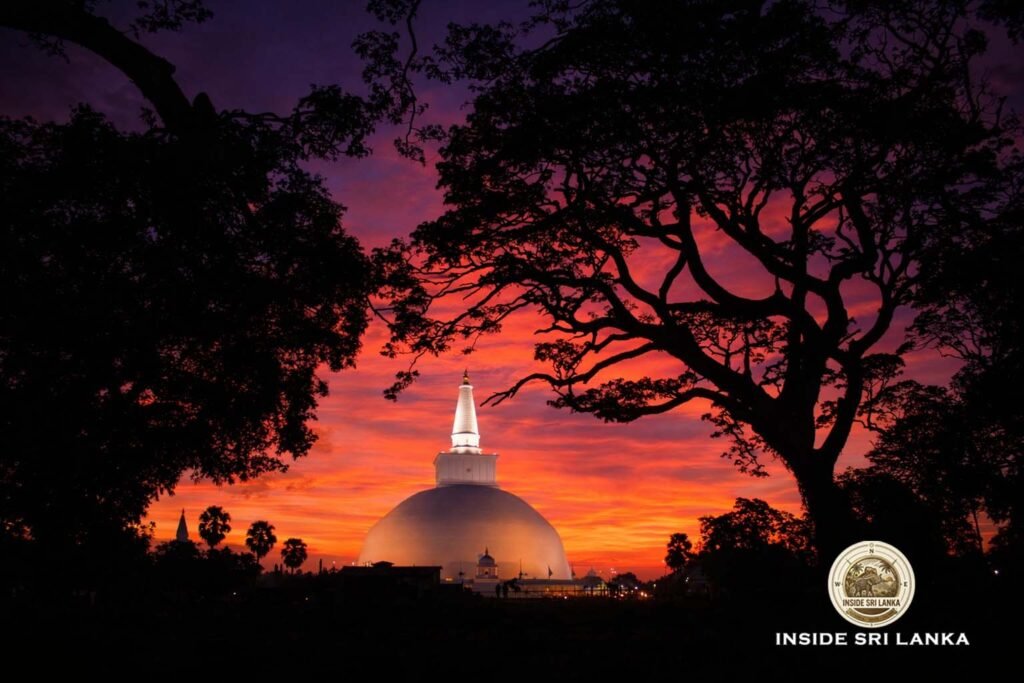
- Ruwanwelisaya: A marvel of ancient engineering, this massive stupa is a symbol of faith. Its pristine white dome, surrounded by a wall of elephant carvings, is a sight to behold, especially at sunset.
- Thuparamaya: The first stupa built in Sri Lanka after the introduction of Buddhism, believed to enshrine the collarbone of the Buddha.
- Lovamahapaya: Once a nine-story brazer palace with a bronze roof, its 1,600 stone pillars still stand as a reminder of its former glory.
- Abhayagiri Dagaba: In its prime, this was one of the largest structures in the world, serving as a center for international Buddhist scholarship.
- Jetavanaramaya: Once the third tallest structure in the ancient world (after the pyramids of Giza), this massive brick stupa represents the pinnacle of ancient Sri Lankan construction technology.
- Mirisaveti Stupa: Built by King Dutugemunu, this stupa has a beautiful legend involving the king’s scepter and a bowl of spicy curry.
- Lankarama: A serene stupa built by King Vattagamini Abhaya, known for the beautiful stone pillars that once supported a roof over the structure.
2. Architectural and Engineering Marvels
Beyond the religious sites, Anuradhapura showcases the incredible intelligence of our ancestors.
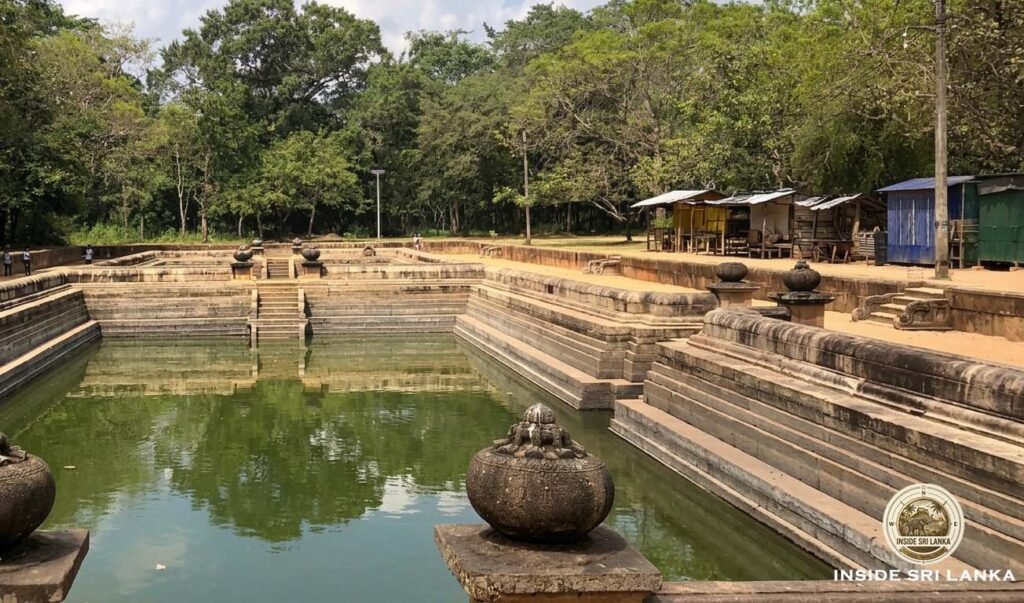
- The Irrigation Systems: The ancient Sinhalese were masters of water. Tanks like Basawakkulama (Abhaya Wewa), built in the 4th century BC, still function today, proving the durability of ancient Sri Lankan engineering.
- Kuttam Pokuna (Twin Ponds): These ponds are a masterpiece of landscape architecture. The sophisticated water filtration and drainage systems used here are still studied by modern engineers.
- Samadhi Statue: Considered one of the finest Buddha statues in the world, the Samadhi Buddha portrays the Lord Buddha in a state of deep meditation. The sense of peace radiating from this stone carving is profound.
- Isurumuniya: Famous for its intricate rock carvings, including the legendary “Isurumuniya Lovers” and the “Elephant Pond,” this temple is nestled against a beautiful rock outcrop.
3. Practical Guide for Your 2026 Visit
Best Time to Visit
Anuradhapura is in the dry zone. The best time to visit is from January to September. However, if you want to witness the city at its most vibrant, visit during the Poson Poya (June), when thousands of pilgrims clad in white flock to the city to commemorate the introduction of Buddhism to Sri Lanka.
Getting Around
- Cycling: The best way to explore the vast archaeological park is by bicycle. It allows you to move at your own pace and discover hidden corners.
- Electric Tuk-Tuks: In 2026, eco-friendly electric Tuk-Tuks are widely available and provide a comfortable, quiet way to hop between sites.
Entrance Fees & Tickets
In 2026, the official entrance fee for foreign tourists is approximately $25 – $30 USD.
- Note: Keep your ticket safe, as it will be checked at various points throughout the sacred city. Residents of SAARC countries can avail of discounted rates upon presenting their passports.
4. Cultural Etiquette: Respecting the Sacred
As Anuradhapura is a highly sacred site, following proper etiquette is essential:
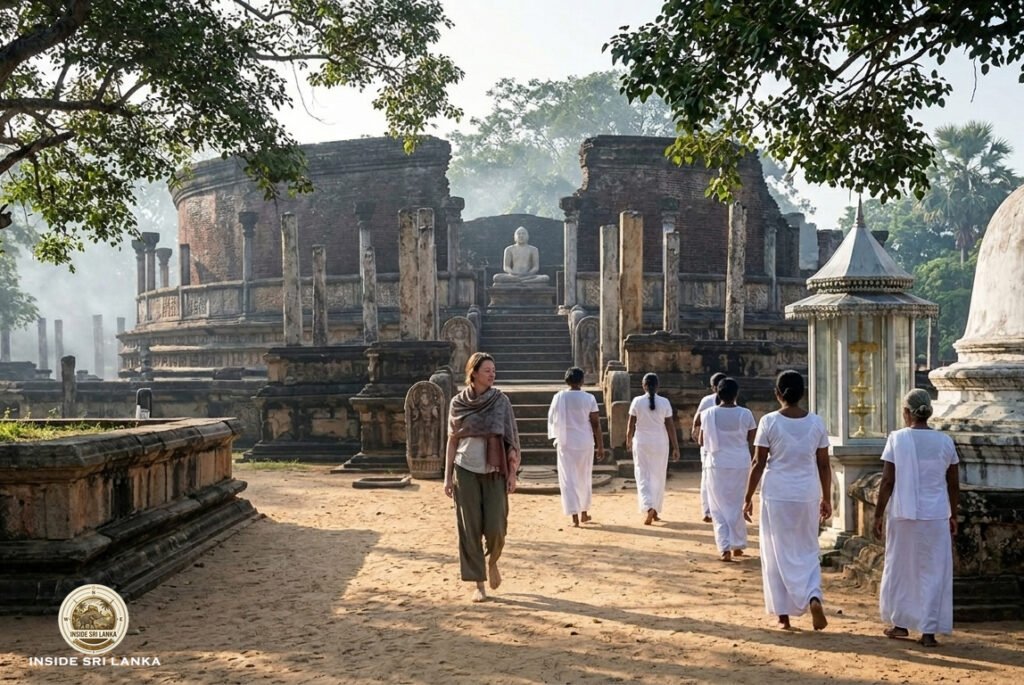
- Dress Code: Wear modest clothing that covers your shoulders and knees. White or light-colored clothing is traditionally preferred.
- Remove Footwear: You must remove your shoes and hats before entering the compounds of stupas and temples.
- Photography: Never pose for photos with your back turned directly toward a Buddha statue. Always ask for permission before photographing monks or locals during worship.
5. Summary Table for Travelers
| Feature | Details |
| Historical Status | First Capital of Sri Lanka (4th Century BC) |
| UNESCO Status | World Heritage Site since 1982 |
| Major Attraction | Jaya Sri Maha Bodhi & Ruwanwelisaya |
| Ideal Stay | 2 Days / 1 Night |
| Nearby Hub | Habarana (approx. 1 hour drive) |
Conclusion: A Connection to the Past
Anuradhapura is not just a destination for sightseeing; it is a place for reflection. As you walk through the silent stone pillars and gaze up at the towering stupas, you realize the magnitude of what was achieved here over two millennia ago. It is a city that bridges the gap between the ancient and the modern, reminding every visitor of the enduring strength of faith and the brilliance of human ingenuity.
In 2026, as the world moves faster than ever, a trip to the “Wild Side” of history in Anuradhapura is the perfect way to slow down and reconnect with the roots of civilization.