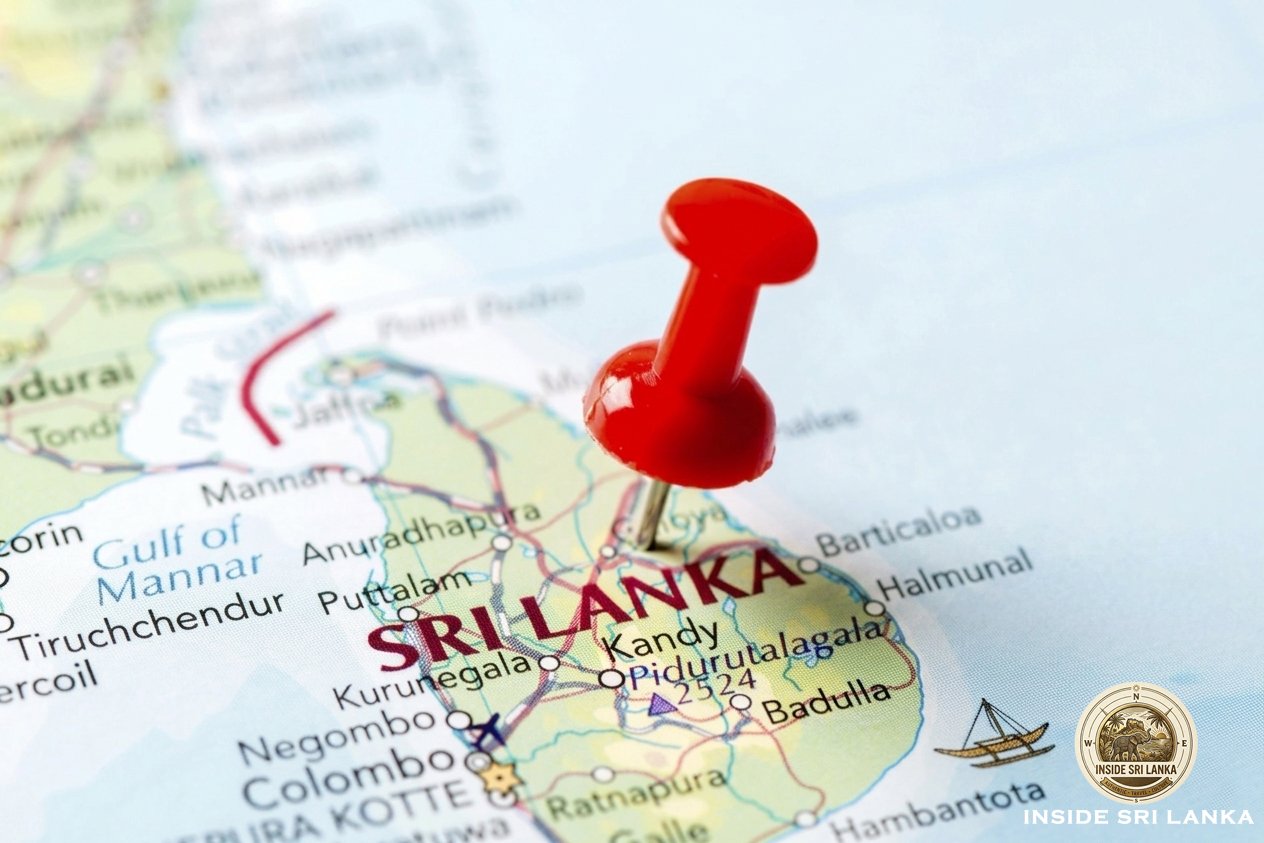
Planning a trip to Sri Lanka in 2026? You’ve made a fantastic choice. Our little island, often called the “Teardrop of India,” has transformed into one of the world’s most sought-after destinations. But, like any tropical paradise, navigating it for the first time can be a bit overwhelming if you aren’t prepared.
From new digital visa systems to high-speed internet in the mountains, things are changing fast. As a local who sees the beauty of this land every day, I’ve put together this comprehensive guide to help you land, travel, and explore Sri Lanka with total confidence.
1. Entering the Island: Visas and Paperwork
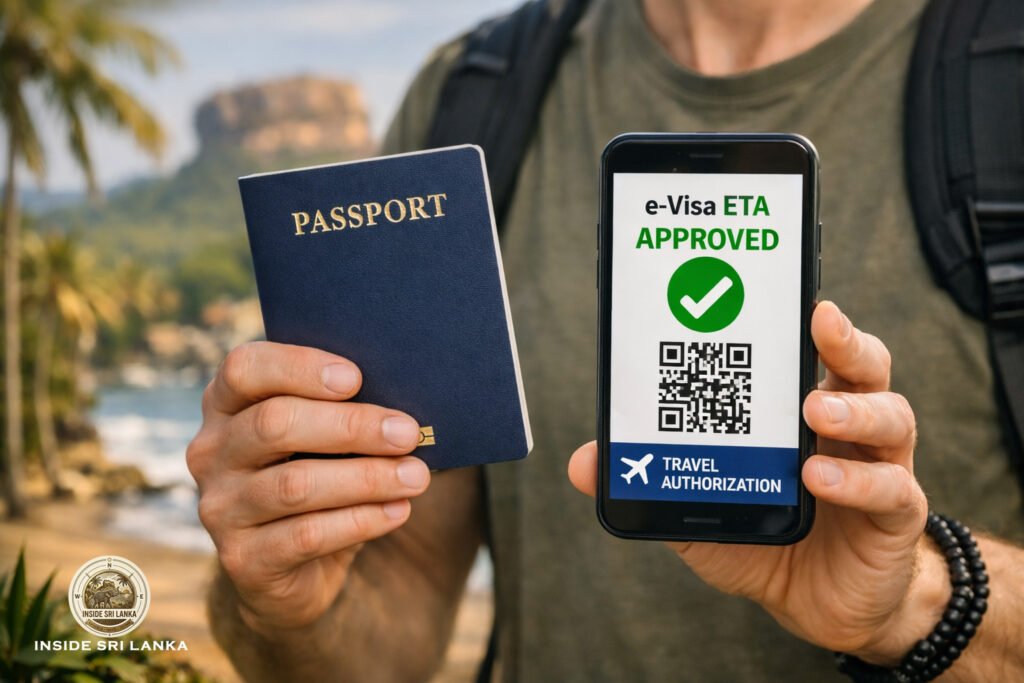
First things first: you can’t enjoy the sun and sand without getting through immigration. In 2026, the process is almost entirely digital.
- The e-Visa (ETA): Most nationalities require an Electronic Travel Authorization (ETA) to enter. Don’t wait until you land! Apply online via the official government portal at least a week before your flight.
- Validity: A standard tourist visa usually gives you 30 to 60 days, but extensions are possible if you fall in love with the island (which you probably will).
- Travel Insurance: While not always mandatory, having travel insurance that covers medical emergencies and “adventure activities” like surfing or hiking is highly recommended.
2. When to Visit: Navigating the Monsoons
Sri Lanka is a year-round destination, but it’s a game of two halves. The island has two distinct monsoon seasons that affect different coasts at different times.
- The Peak Season (December to April): This is the best time for the South and West coasts (Galle, Mirissa, Colombo) and the Hill Country (Ella, Kandy). Expect blue skies and perfect waves.
- The East Coast Season (May to September): If you’re coming mid-year, head East to Trincomalee or Arugam Bay. The weather is dry, and the sea is calm.
- The “Inter-monsoon” periods: October and November can be unpredictable with tropical rain showers, but the island is incredibly green and lush during this time.
3. Staying Connected: SIM Cards and Internet
You’ll want to share those sunset photos immediately, right? Fortunately, Sri Lanka has some of the cheapest and fastest mobile data in South Asia.
- At the Airport: As soon as you clear customs at Bandaranaike International Airport (BIA), you’ll see kiosks for providers like Dialog and Mobitel.
- Tourist Plans: Grab a 30-day “Tourist SIM.” For around $10-$15, you usually get 50GB+ of data and some local call minutes.
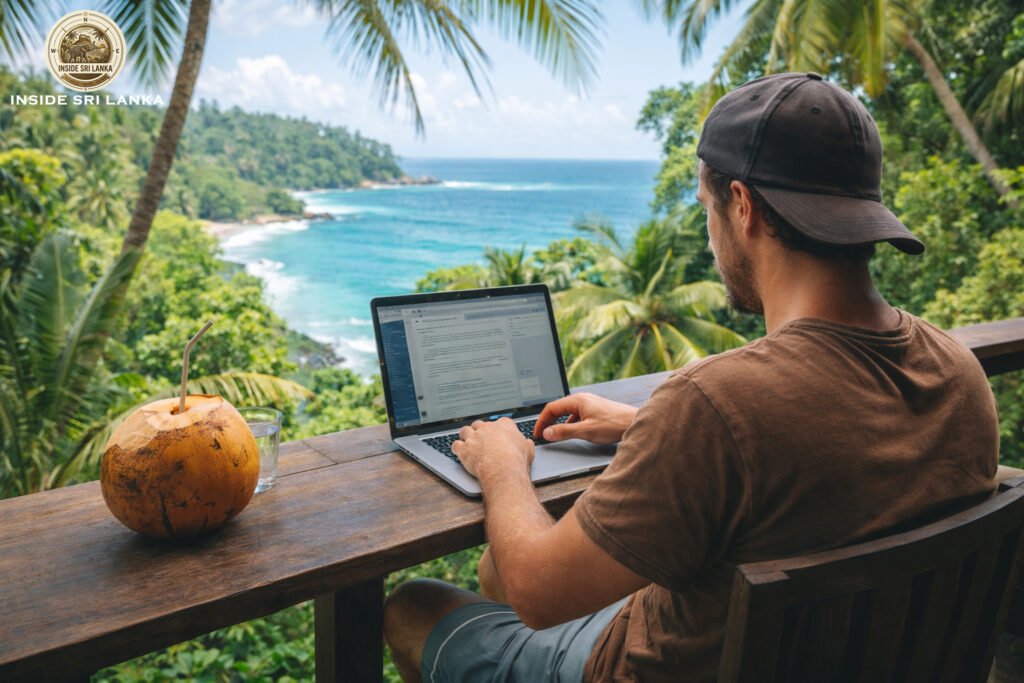
- Starlink Availability: In 2026, satellite internet like Starlink has become more accessible in remote areas, which is a godsend for digital nomads working from boutique villas in the jungle.
4. Money Matters: Cash is Still King
While big hotels and restaurants in Colombo or Galle accept credit cards, Sri Lanka still runs heavily on cash, especially once you hit the villages or local markets.
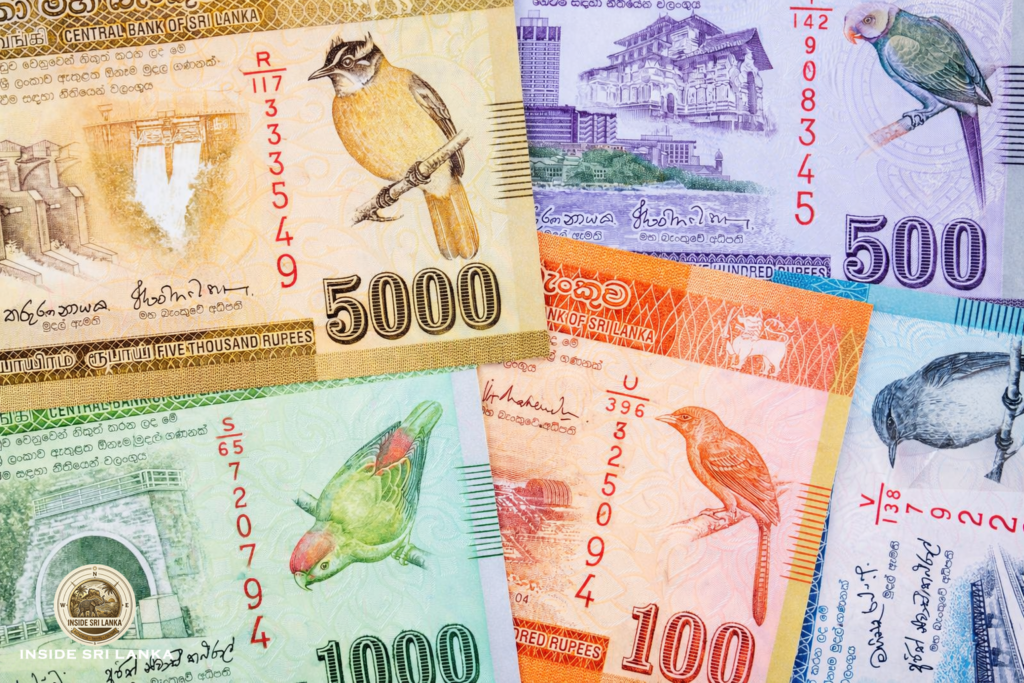
- Currency: The Sri Lankan Rupee (LKR).
- ATMs: ATMs are everywhere in major towns. Look for Bank of Ceylon (BOC), Sampath Bank, or Commercial Bank.
- Pro Tip: Always carry small denominations (100, 500, and 1000 rupee notes). It makes paying for Tuk-Tuks and street food much easier.
- Exchange: Exchange some currency at the airport for immediate use, but use city banks or authorized money changers for better rates.
5. Getting Around: The Adventure of Transport
How you move around the island is part of the experience itself.
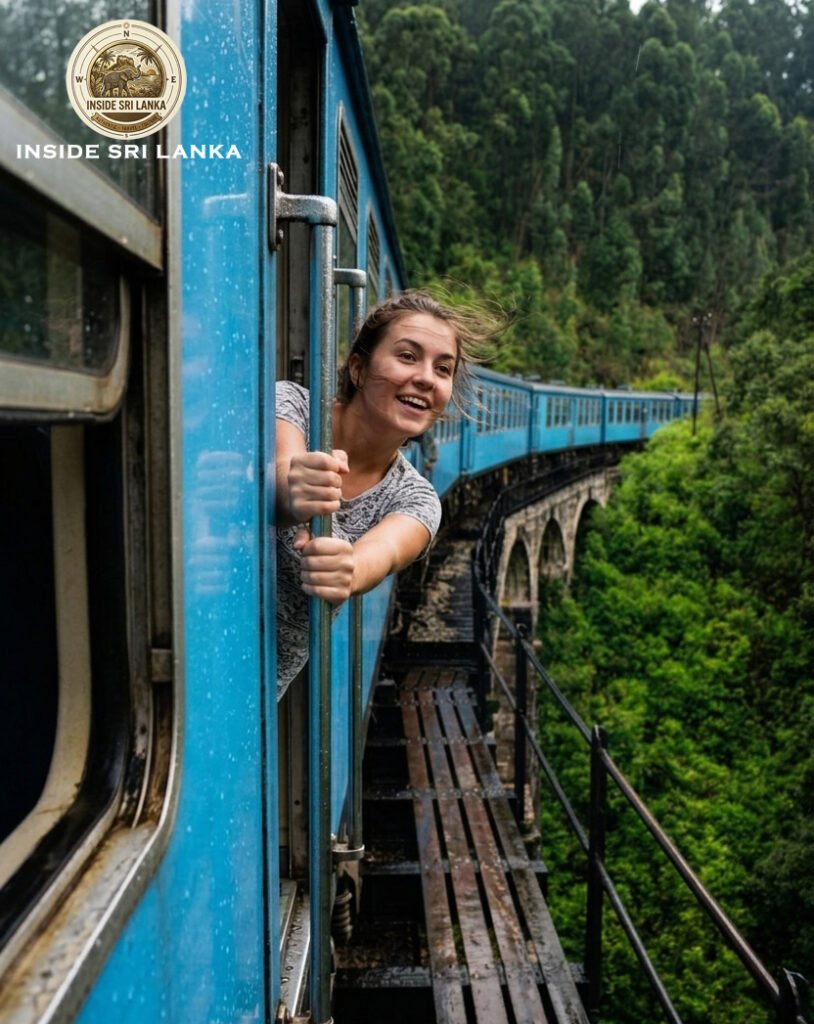
- The Iconic Train Journey: The Kandy-to-Ella train ride is legendary. In 2026, I recommend booking your seats at least 30 days in advance through the official Railway Department website. Observation cabins sell out fast!
- The Tuk-Tuk Life: For short distances, Tuk-Tuks are your best friend. In cities like Colombo and Kandy, use apps like PickMe or Uber to get a fair, metered price. In rural areas, always agree on the price before you get in.
- Private Drivers: For long-distance travel between cities (e.g., Colombo to Sigiriya), hiring a private car with a driver is affordable and the most comfortable way to see the country.
6. Cultural Etiquette: Respecting the Traditions
Sri Lanka is a deeply spiritual country with a mix of Buddhist, Hindu, Muslim, and Christian cultures. Respecting local norms will make your interactions much warmer.
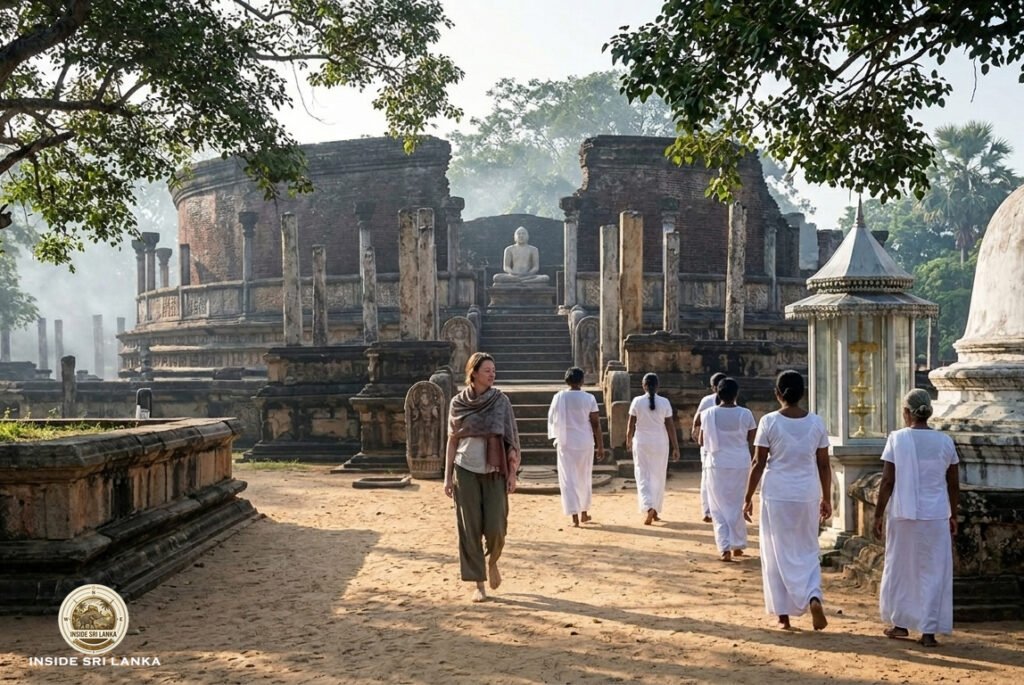
- Temple Dress Code: When visiting temples (like the Temple of the Tooth or Dambulla), your shoulders and knees must be covered. Carry a sarong or a light scarf in your bag.
- Removing Shoes: You must remove your shoes and hats before entering sacred grounds.
- Photography: Never take a photo with your back turned to a Buddha statue. It is considered highly disrespectful. Also, always ask for permission before taking photos of locals.
7. Health and Safety
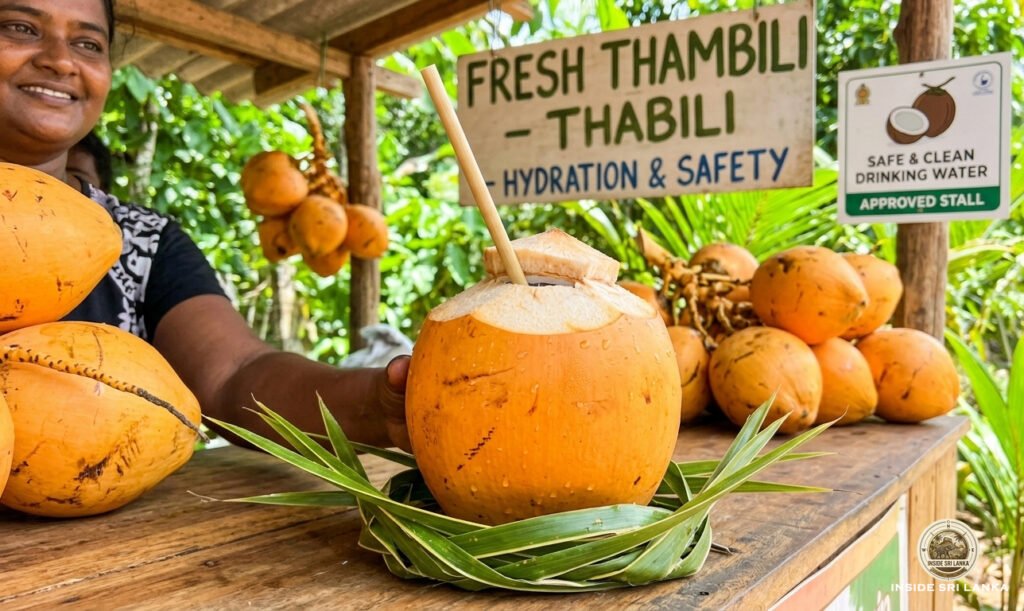
- Water: Never drink tap water. Stick to bottled water (check for the SLS certification) or filtered water provided by your hotel.
- Sun Protection: The tropical sun is incredibly strong. Wear high-SPF sunscreen, a hat, and stay hydrated.
- Mosquitoes: Dengue can be a concern, so use repellent, especially during dawn and dusk.
8. The Food: A Quick Warning
Sri Lankan food is delicious but can be very spicy! If you aren’t used to it, always ask for “tourist spicy” or “mild.” Don’t miss out on Kottu Roti, Hoppers, and our famous Ceylon Tea. (Check out our Island Flavors section for a deeper dive into our food!)
Conclusion
Sri Lanka in 2026 is a blend of ancient traditions and modern convenience. It’s a place where you can hike a mountain in the morning and be on a tropical beach by sunset. By following these essentials, you’re not just a tourist—you’re a smart traveler ready to soak in every moment of this island’s magic.
Welcome to Sri Lanka. We can’t wait to see you here!