
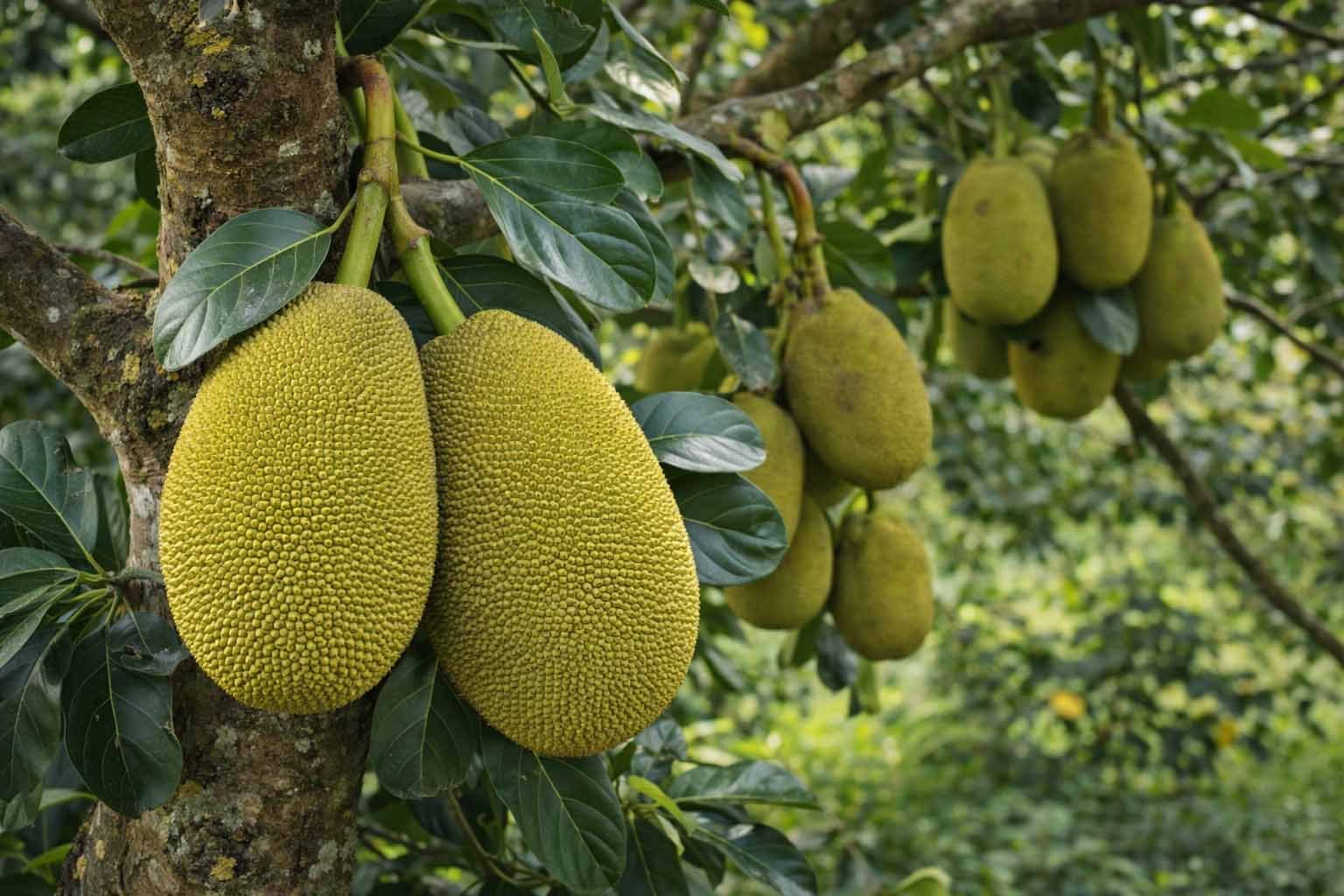
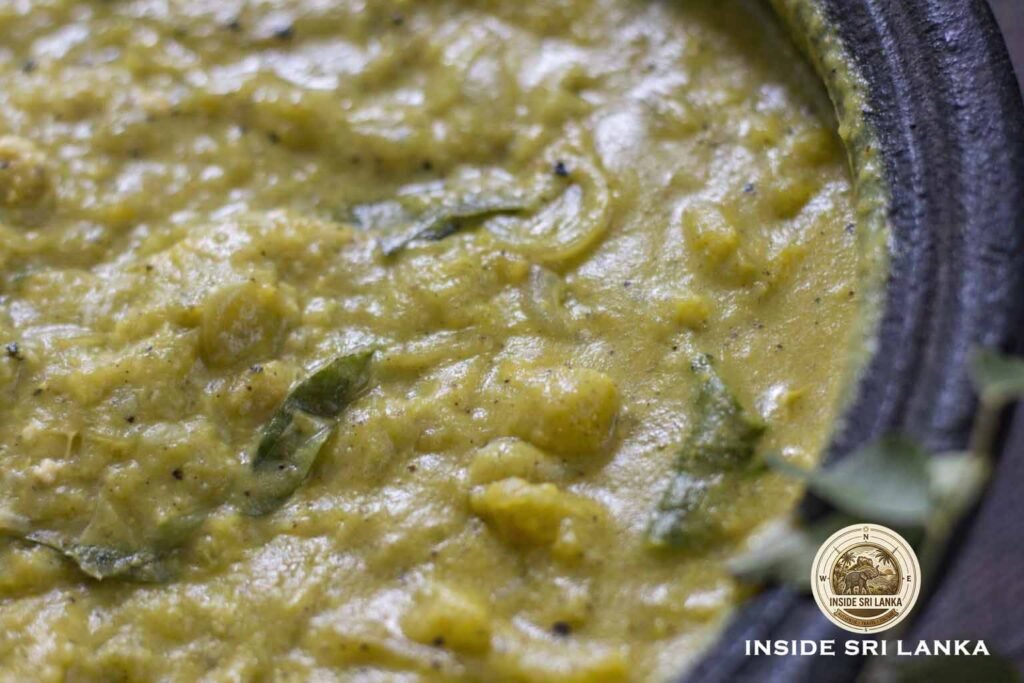
When it comes to traditional Sri Lankan cuisine, few dishes carry as much cultural pride and comforting flavor as a properly prepared Jackfruit Curry, locally known as “Kiri Kos Maluwa” (Creamy Jackfruit Curry). For generations, the jackfruit tree (Kos Gaha) has been affectionately referred to as the “Rice Tree” (Bath Gaha) of Sri Lanka, because its hearty, starchy fruit historically kept the island’s villages well-fed during times of rice scarcity.
Today, this vegan-friendly, gluten-free delicacy is a staple at traditional gatherings and a highly sought-after dish for international travelers exploring the deep, aromatic world of island flavors. The secret to a world-class Kiri Kos Curry lies in the perfect balance of texture and spice—the tender jackfruit pieces must melt in your mouth while being completely infused with rich, thick coconut milk and fragrant Sri Lankan spices.
Here is the ultimate, authentic guide to mastering this classic Sri Lankan dish at home.
Understanding the Ingredient: Tender Jackfruit (Kos)
To make an authentic Kiri Kos Maluwa, you must use jackfruit at the correct stage of maturity.
- The Maturity Stage: You need young but well-developed jackfruit, where the seeds (Kos Eta) are formed but still soft, and the flesh (Sula) is firm and starchy.
- What to Avoid: Do not use very young green jackfruit (which is used for Polos curry) or fully ripe yellow jackfruit (which is eaten sweet as a fruit).
The Recipe Ingredients
The Main Components:
- 500g Fresh Jackfruit (Kos): Cleaned, deseeded, and cut into bite-sized chunks (including the soft seeds).
- 1 cup Thin Coconut Milk (Miti Kiri): Used for the initial boiling process.
- 1.5 cups Thick Coconut Milk (Mittha Kiri): Freshly squeezed premium coconut milk to create the rich, creamy gravy base.
The Aromatics & Fresh Elements:
- 1 Medium Red Onion: Finely sliced.
- 3-4 Cloves of Garlic: Crushed or finely chopped.
- 2-3 Green Chilies: Sliced lengthwise (adjust according to your heat preference).
- A handful of fresh Curry Leaves (Karapincha)
- A 2-inch piece of Pandan Leaf (Rampe): Crucial for that signature island aroma.
The Spice Blend & Seasoning:
- 0.5 teaspoon Turmeric Powder: For a beautiful, golden-yellow color.
- 1 teaspoon Mustard Seeds: Ground into a fine paste with a little water or coconut milk.
- 1 tablespoon Raw Rice (Uncooked): To be roasted and ground (creates the traditional thickener).
- 1 teaspoon Fenugreek Seeds (Ulu Hal): Adds subtle bitterness and helps thicken the gravy.
- 0.5 teaspoon Black Pepper Powder
- Salt: To taste.
Step-by-Step Cooking Instructions
Step 1: Preparing the Jackfruit
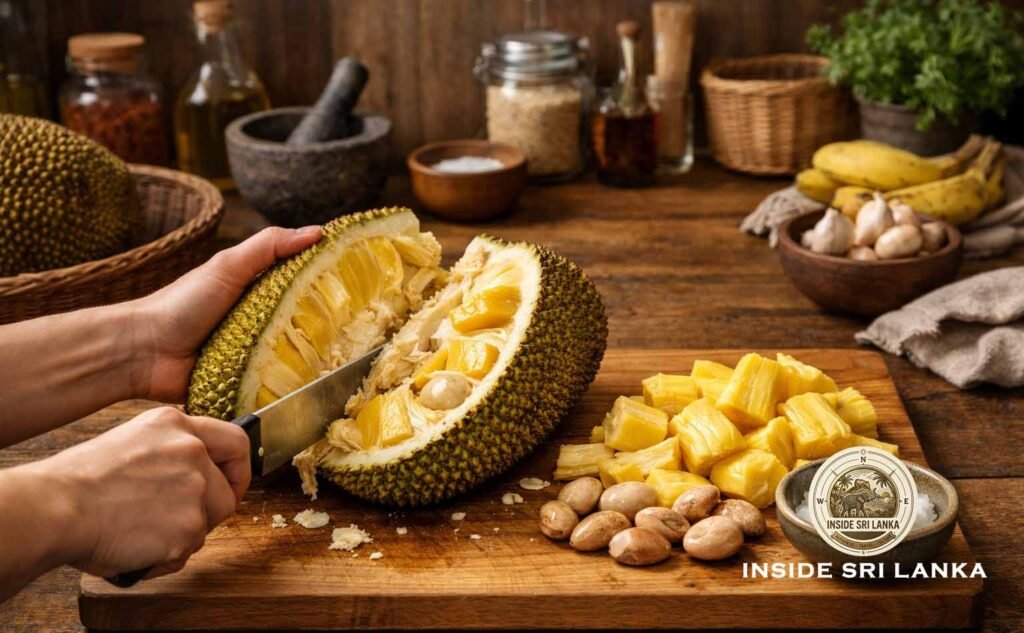
Before cutting, rub a little coconut oil onto your hands and the blade of your knife. This prevents the sticky, white natural latex (Kos Koholla) of the jackfruit from sticking to your skin and utensils. Cut the jackfruit open, separate the starchy segments, remove the outer skin of the internal seeds, and cut both the flesh and the seeds into uniform, bite-sized pieces. Wash them thoroughly in cold water and drain.
Step 2: The Initial Simmer (Boiling)
In a traditional clay pot (Mati Walanda) or a heavy-bottomed saucepan, combine the cut jackfruit pieces, the soft jackfruit seeds, sliced red onions, garlic, green chilies, curry leaves, and the pandan leaf.
Add the turmeric powder, fenugreek seeds, black pepper, and a generous pinch of salt. Pour in the thin coconut milk, ensuring the liquid just about covers the jackfruit pieces. Place the pot over medium heat, cover it with a lid, and let it simmer for about 15 to 20 minutes. The jackfruit is ready for the next stage when the pieces are fork-tender and the seeds are completely cooked through.
Step 3: Preparing the Traditional Thickener & Mustard Paste
While the jackfruit is boiling, place a dry pan over medium heat. Add the raw rice grains and toast them dry, shaking the pan constantly, until the rice turns a deep golden brown and gives off a nutty, smoky aroma. Remove from heat immediately and grind the toasted rice into a fine powder (this is a traditional Sri Lankan method used to naturally thicken white curries). Next, grind your mustard seeds with a splash of water until it forms a smooth, pungent paste.
Step 4: The Creamy Finish
Once the jackfruit is soft and the thin coconut milk has mostly reduced, lower the heat to a gentle simmer. In a bowl, mix the thick, premium coconut milk with the ground mustard paste and the toasted rice powder.
Pour this rich, creamy mixture directly over the boiling jackfruit. Stir the curry very gently with a wooden spoon to avoid mashing the tender jackfruit pieces. Let the curry simmer uncovered on low heat for another 5 to 7 minutes. Watch the gravy carefully as it transforms into a thick, velvety, rich golden-yellow sauce. Taste and adjust the salt if necessary. Remove the pot from the stove.
Serving Suggestions: The Ultimate Sri Lankan Rice & Curry
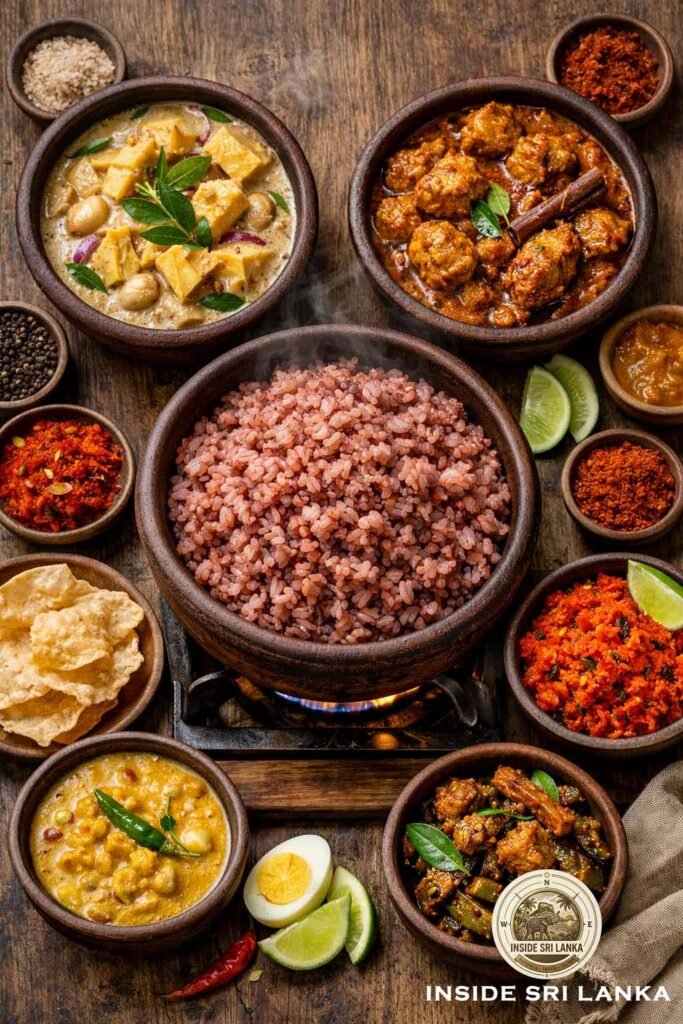
Kiri Kos Maluwa is best enjoyed warm. Traditionally, it is served as a cooling, creamy counter-balance to hotter, fire-spiced Sri Lankan dishes. For an absolute masterpiece of an island plate, serve it alongside:
- A steaming mound of organic Red Rice or white Basmati rice.
- A fiery, spicy Sri Lankan Chicken or Fish Curry.
- A crispy, refreshing Pol Sambol (shredded coconut mixed with chili, lime, and red onions).
- A handful of crunchy Papadam and fried dried chilies.
Essential Tips for the Perfect Curry
- Do Not Boil the Thick Milk: Once you add the thick coconut milk, never let the curry come to a violent, rolling boil. High heat will cause the coconut milk to separate or curdle, ruining the smooth, velvety texture of the gravy.
- The Clay Pot Advantage: If possible, always cook this curry in an authentic earthenware clay pot. The porous nature of clay circulates heat evenly and preserves the delicate, creamy undertones of the coconut milk far better than modern stainless-steel cookware.
- Let it Rest: Like most traditional Sri Lankan spiced dishes, Kiri Kos Maluwa tastes significantly better if you let it sit covered for about an hour before serving. This allows the jackfruit flesh to fully absorb the mustard, pandan, and coconut flavors.
Conclusion
The Sri Lankan Creamy Jackfruit Curry is more than just a vegan dish—it is a culinary journey into the heart of tropical island living. Its rich history, paired with the sophisticated layering of fresh coconut cream and rustic spices, makes it a true crown jewel of traditional cooking. Bring the genuine, aromatic warmth of a Sri Lankan kitchen into your home and experience the comforting flavors of paradise with every single bite!