
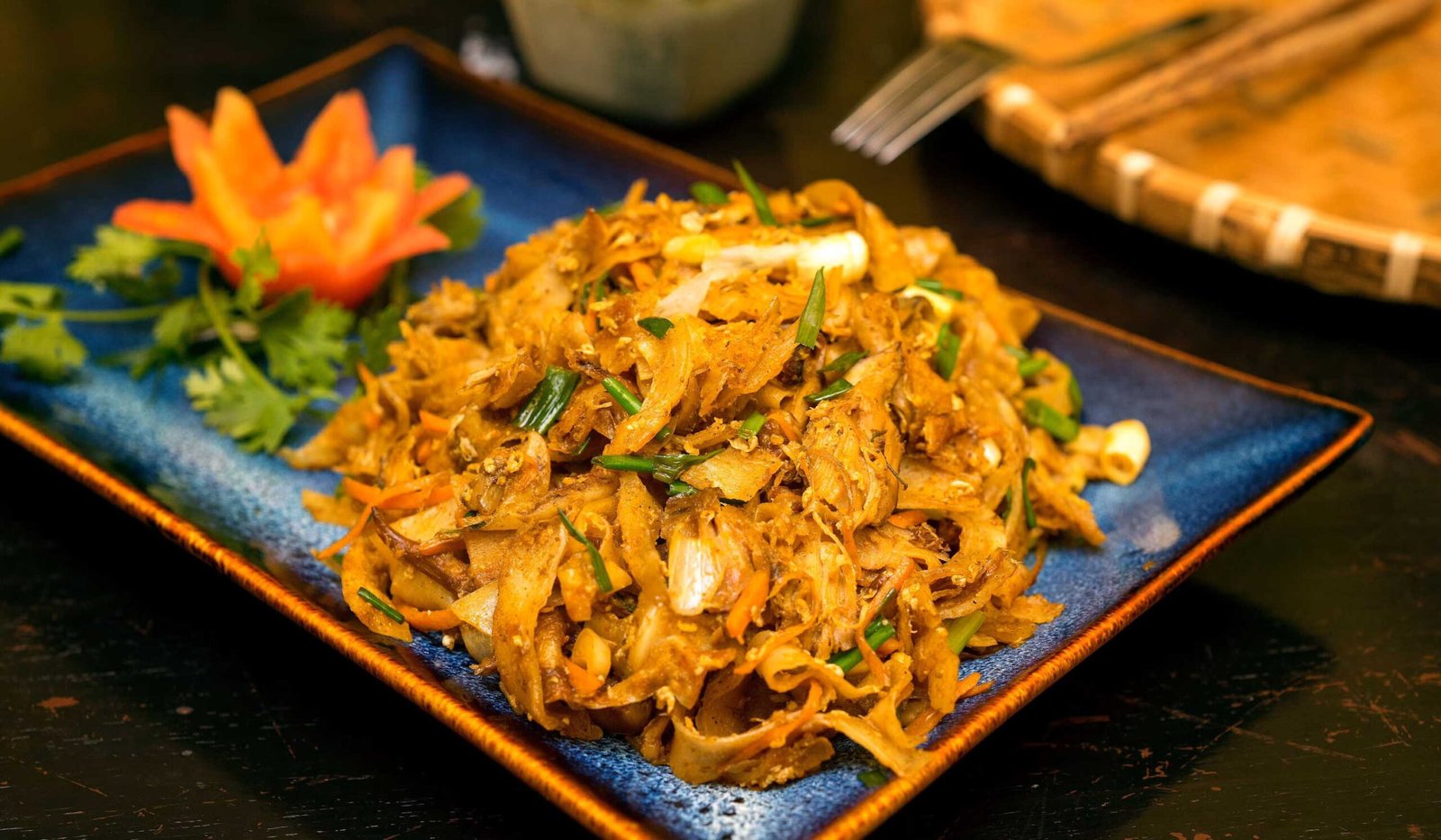
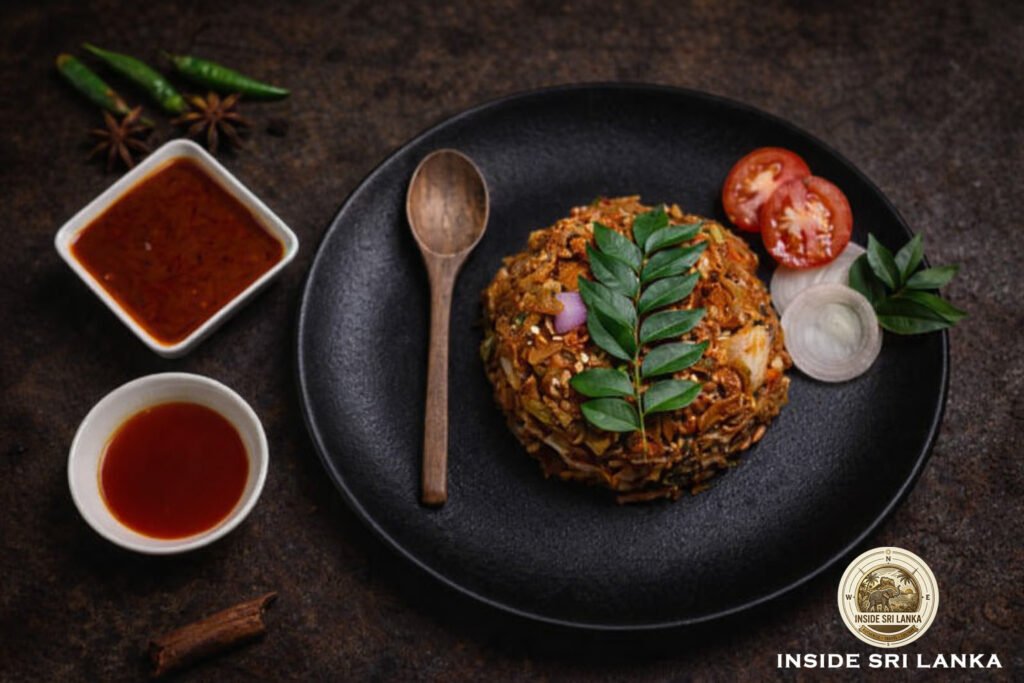
If you have ever walked the streets of Colombo or any small town in Sri Lanka after the sun goes down, you’ve heard it. That rhythmic, metallic “taka-taka-taka” sound echoing from a roadside stall. It’s the heartbeat of our nightlife. It’s the sound of a Kottu Roti being born.
As someone who has traveled all over this island, from the busy streets of Galle Face to the misty hills of Ella, I can tell you one thing for sure: you haven’t truly experienced Sri Lanka until you’ve stood by a kottu park, watching the steam rise as a master “Kottu Chef” works his magic. In this complete guide, we’re diving deep into the world of Kottu—its history, the different varieties, and why it is the undisputed king of Sri Lankan street food.
1. The Origin: A Genius Accidental Invention?
There are many stories about how Kottu started. The most popular belief is that it originated in the eastern coastal town of Batticaloa in the late 1960s or 70s. Legend has it that a street vendor, at the end of a busy day, took all the leftover paratha (roti), mixed it with some leftover vegetable curry, eggs, and scraps of meat, and chopped it all together on a hot griddle.
What started as a way to minimize food waste turned into a national obsession. It’s the ultimate “fusion” food—bringing together South Indian style roti with Sri Lankan spices and a unique rhythmic preparation style.
2. The Art of the “Taka-Taka”
Kottu is as much about the performance as it is about the taste. The chef uses two rectangular metal blades to chop the roti, vegetables, and meat on a flat iron griddle. This rhythmic chopping isn’t just for show; it ensures that every single piece of roti is coated in gravy, spices, and egg, making each bite a flavor explosion.
In Sri Lanka, every kottu chef has their own “beat.” Some are fast and aggressive, while others have a musical flow. It’s the original Sri Lankan street music!
3. The Varieties: Choosing Your Weapon
Kottu has evolved over the years. Gone are the days when you only had “Chicken” or “Egg.” Today, the varieties are endless:
- Egg Kottu: The classic starter. Simple, creamy, and perfect with a side of spicy gravy.
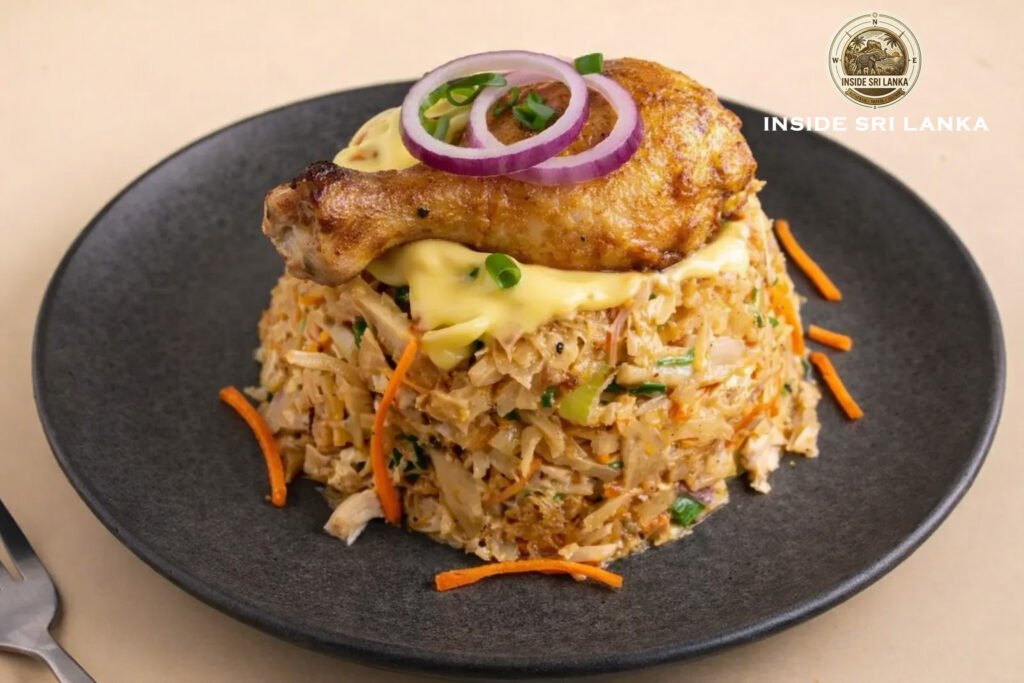
- Chicken/Beef/Mutton Kottu: For the meat lovers. The meat is usually pre-cooked in a thick, dark curry and then tossed into the mix.
- Cheese Kottu: A modern favorite. Adding a few slices of processed cheese or a splash of milk makes the kottu creamy, rich, and slightly less spicy.
- Dolphin Kottu: Don’t worry, no dolphins are harmed! This version uses larger, thicker chunks of paratha instead of fine shreds, giving it a different texture.
- Palandi Kottu: A creamy version usually found in Muslim-run eateries, often featuring a yogurt-based gravy that adds a unique tanginess.
- Vegetable Kottu: For our veggie friends, packed with carrots, leeks, cabbage, and onions.
4. The “Gravy” Rule
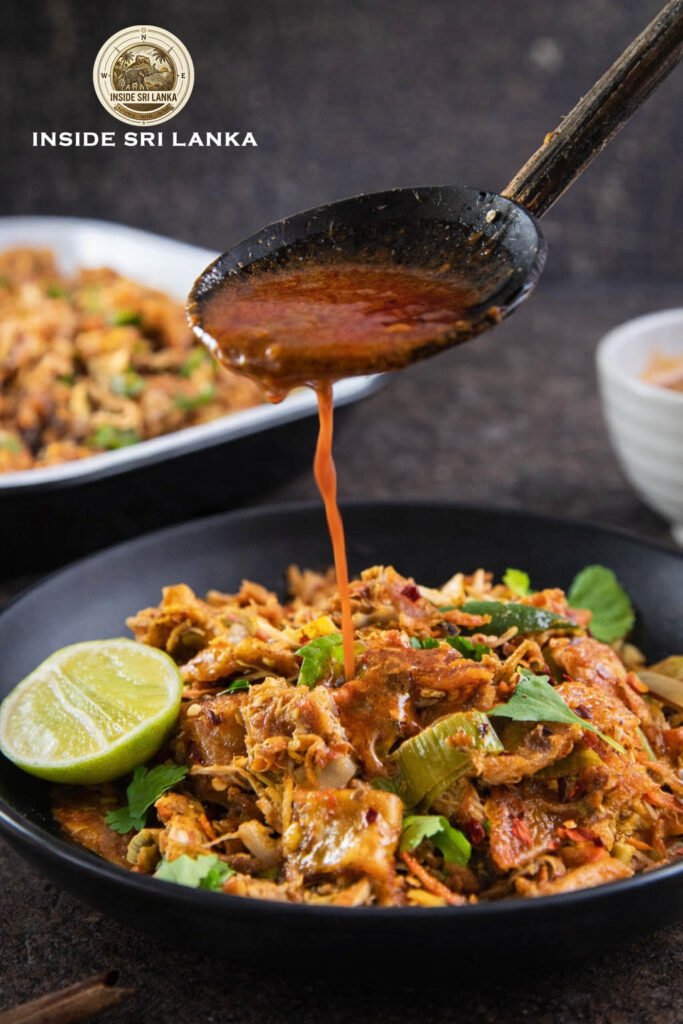
In Sri Lanka, you never eat kottu dry. It is an unwritten law. Every kottu plate must come with a small bowl of “Thick Gravy” (often called Hodi). Whether it’s a spicy chicken gravy or a dhal-based curry, pouring that extra liquid over your kottu is what takes the experience to the next level.
5. How to Find the Best Kottu: A Local’s Secret
If you want the real deal, don’t go to a fancy 5-star hotel. The best kottu is found in the “Petti Kadade” (small shops) with soot-covered walls and a chef who looks like he hasn’t slept in years.
- Look for the Crowd: If there’s a line of people waiting, the kottu is fresh.
- The Sound Test: A loud, fast beat usually means the chef is experienced and the griddle is hot.
- Freshness: Ensure they are chopping fresh roti, not using pre-shredded bags.
Conclusion: A Plate of Unity
Kottu is the great equalizer in Sri Lanka. Whether you are a businessman in a luxury car or a laborer on his way home, you sit side-by-side at a kottu stall. It doesn’t matter who you are; when the taka-taka starts and the aroma of roasted spices fills the air, we are all just hungry Sri Lankans waiting for our favorite meal.
So, the next time you are in Sri Lanka, forget the diet. Find a stall, listen for the beat, and grab a plate of hot, spicy Cheese Chicken Kottu. Your taste buds will thank you!