If you are a wildlife enthusiast planning a trip to Sri Lanka in 2026, you are about to enter one of the most biodiverse regions in the world. This tiny island is often called the “Serengeti of Asia” for its staggering variety of species packed into a small area. From the leopard-heavy dry zones to the misty highland plateaus, every park tells a unique story of nature’s resilience.
A jeep safari is the definitive “wild side” experience here. Whether you are a solo traveler, a photographer, or visiting with family, understanding the layout of these national parks is key to a successful journey.
The North Central Cluster: The Land of Gentle Giants
The North Central province is dominated by an ancient hydraulic system that creates a perfect habitat for Asian elephants.
1. Minneriya National Park: Home of “The Gathering”
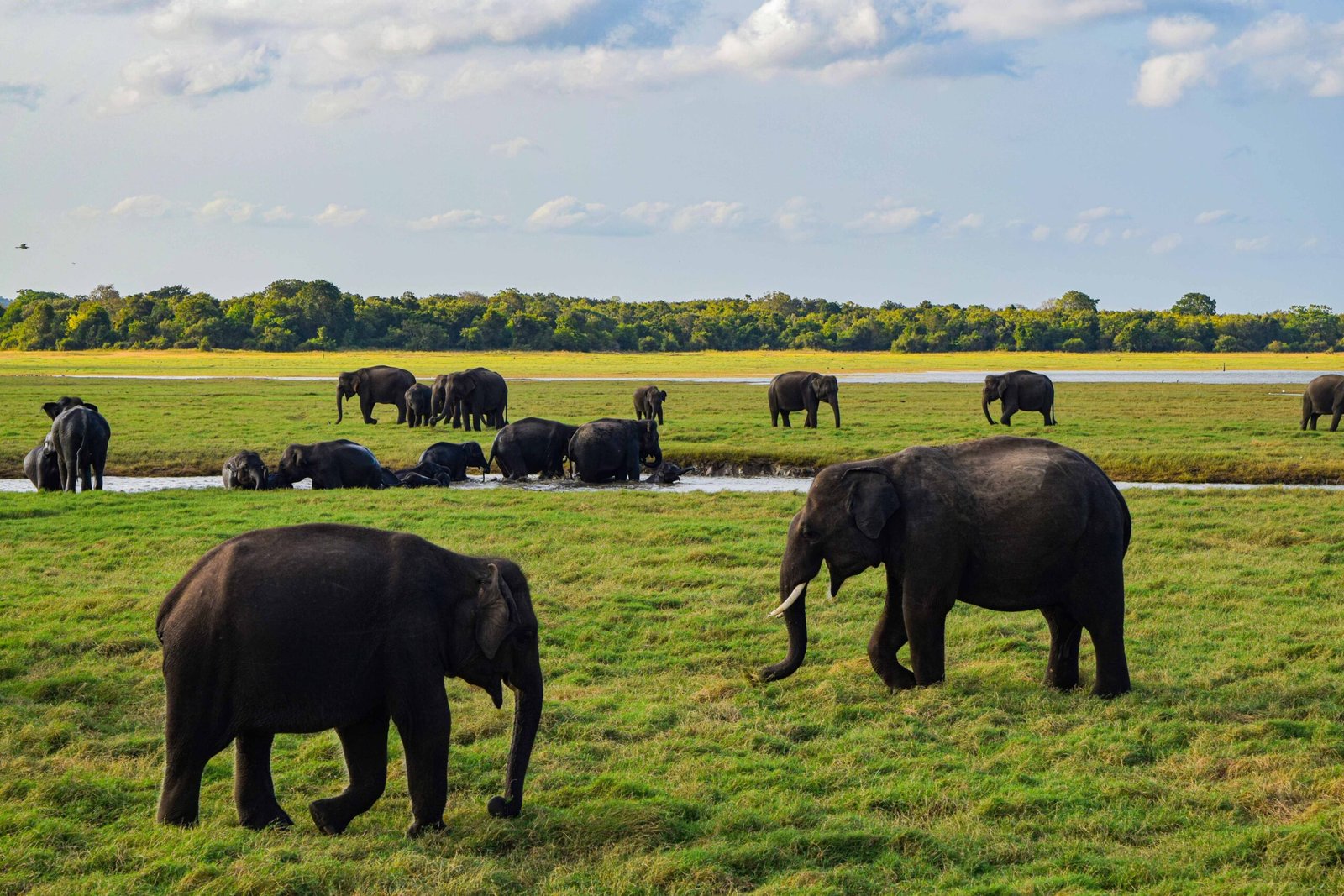
Minneriya is famous for “The Gathering,” recognized globally as one of the top ten wildlife spectacles. During the dry season (July to October), the receding waters of the Minneriya tank reveal lush grass, attracting hundreds of elephants.
- What You’ll See: Up to 300 elephants congregating in a single spot.
- Best Time: August and September are the absolute peak.
2. Kaudulla National Park: The Seasonal Sanctuary
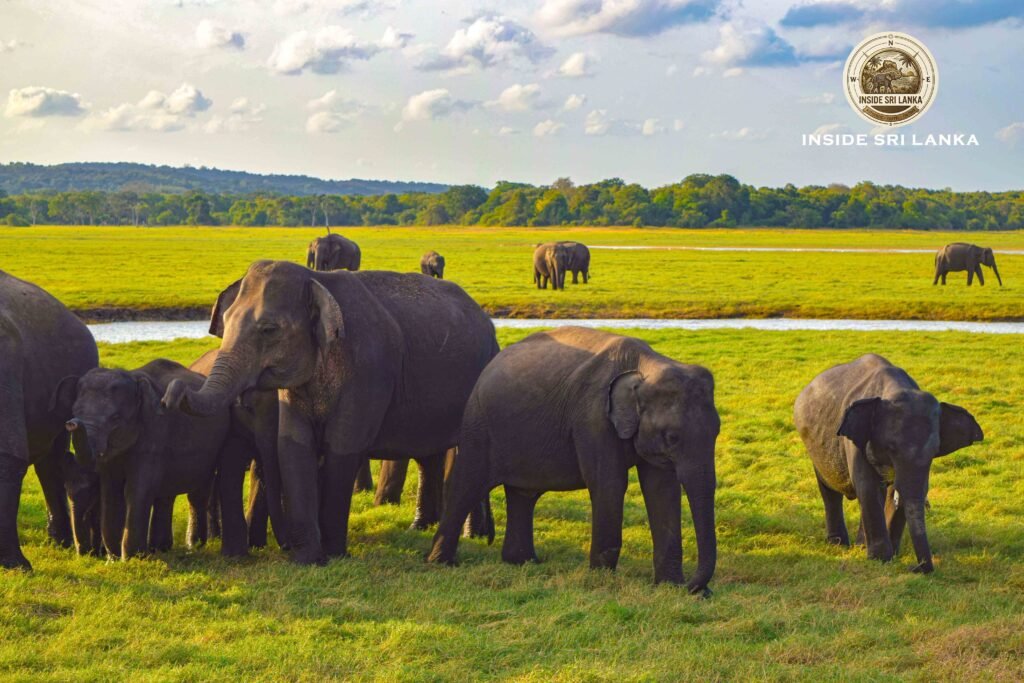
Kaudulla is Minneriya’s sister park, connected by a natural corridor. When the elephants move away from Minneriya due to water levels or human activity, they usually head here.
- Why Visit: It offers a slightly more secluded feel with equally impressive elephant herds.
3. Hurulu Eco Park: The All-Year Corridor
This is a vital buffer zone between the larger parks.
- Value: It remains open and accessible even when the major parks are flooded during the monsoon (November to April).
The Southern & Southeastern Belt: Predators and Birds
4. Yala National Park: The Kingdom of Leopards
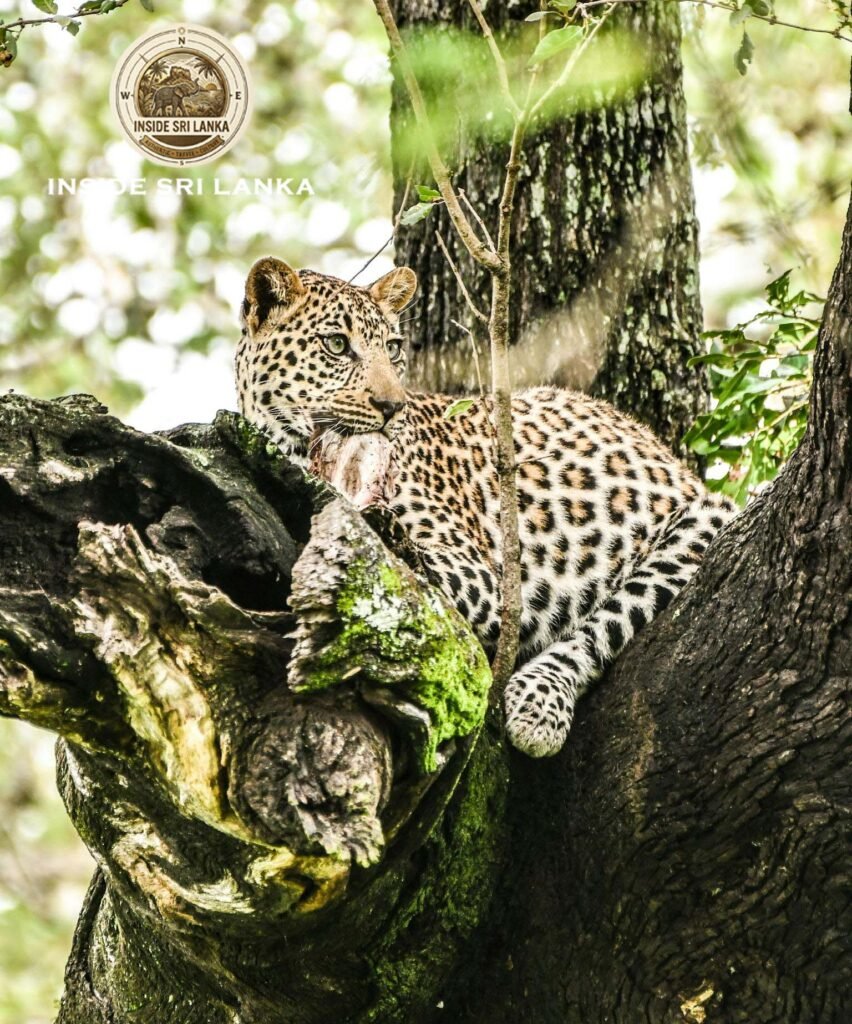
Yala is Sri Lanka’s most iconic park, famous for having the highest density of leopards in the world.
- Focus: Block 1 is the premier spot for leopard sightings. You can also spot the rare Sloth Bear and mugger crocodiles.
- Best Time: February to June. Note: The park usually closes for 30 days in September/October for maintenance.
5. Udawalawe National Park: Guaranteed Elephant Sightings
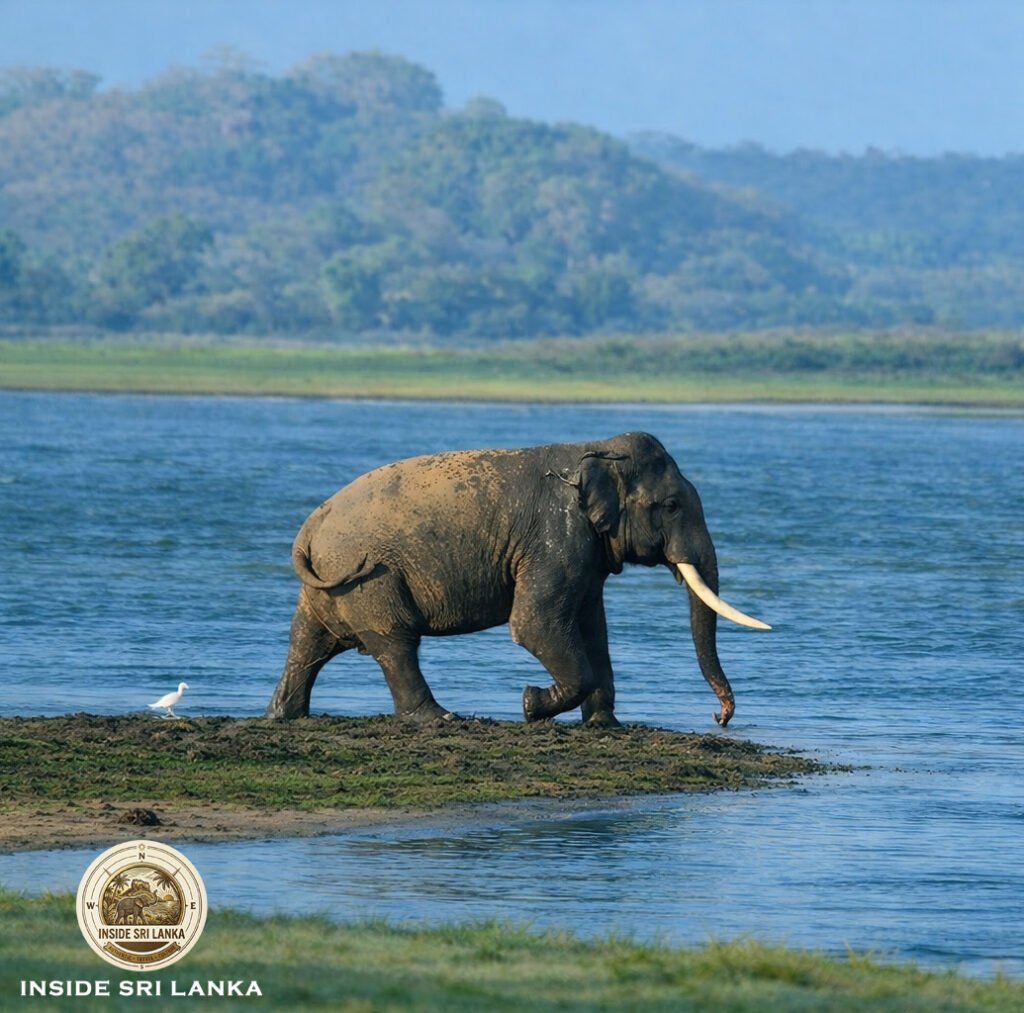
If you want to be 100% sure of seeing an elephant, go to Udawalawe. The open terrain makes it extremely easy to spot large herds.
- Highlight: The Elephant Transit Home (ETH), where orphaned calves are rehabilitated before being released back into the wild.
6. Bundala National Park: The Bird Watcher’s Heaven
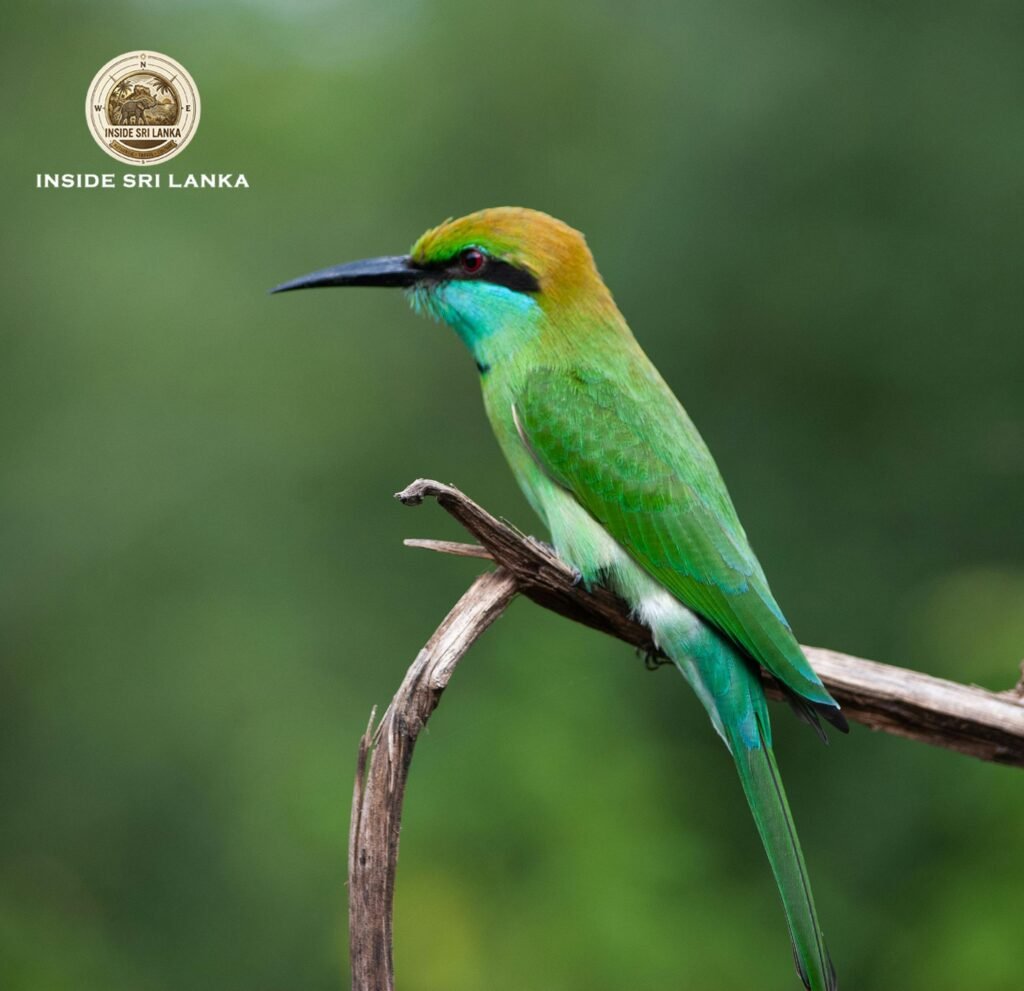
Bundala is a UNESCO biosphere reserve and a premier destination for migratory birds.
- What You’ll See: Greater Flamingos (seasonally), crocodiles, and over 190 bird species.
- Best Time: September to March for migratory birds.
7. Lunugamvehera National Park: The Silent Bridge
This park serves as a bridge for elephants moving between Yala and Udawalawe.
- Why Visit: It is much less crowded than its neighbors, offering a peaceful safari experience with good chances of seeing elephants and deer.
The Wilderness of the West & East
8. Wilpattu National Park: The Land of Lakes
The largest park in Sri Lanka, Wilpattu is famous for its “Willus”—natural, sand-rimmed water basins.
- Experience: It offers a raw, authentic “jungle” feel with far fewer crowds than Yala.
- Primary Species: Leopards, Sloth Bears, and beautiful water birds.
9. Kumana National Park: The Eastern Gateway
Formerly known as Yala East, Kumana is legendary for its mangrove swamp.
- Focus: It is the most important bird breeding ground in Sri Lanka. You can also see elephants and leopards without the “jeep traffic” found in Western Yala.
10. Gal Oya National Park: The Boat Safari
Gal Oya is unique because it offers one of the few places in the world where you can do a boat safari to see swimming elephants.
- Highlight: Watching elephants swim between islands in the Senanayake Samudraya reservoir.
The Highland Experience
11. Horton Plains National Park: The Misty Plateau
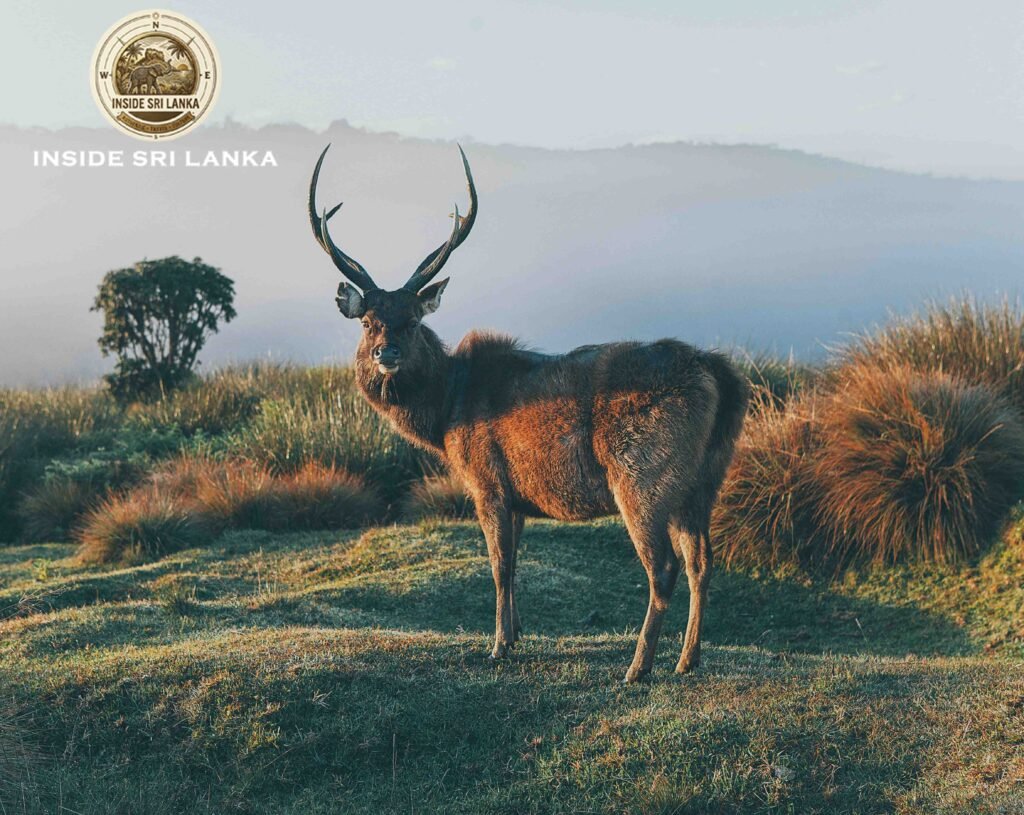
This is a high-altitude cloud forest and montane grassland.
- Note: This is a walking safari.
- Sightings: Large herds of Sambar Deer and the elusive highland leopard. Don’t miss the famous “World’s End” cliff.
Quick Comparison Table for 2026 Safaris
| Park Name | Main Attraction | Safari Type | Best Months |
| Minneriya | Elephant Gathering | Jeep | July – October |
| Yala | Leopard & Sloth Bear | Jeep | February – June |
| Udawalawe | Guaranteed Elephants | Jeep | Year-round |
| Wilpattu | Leopard & Scenery | Jeep | February – October |
| Gal Oya | Swimming Elephants | Boat | March – July |
| Bundala | Migratory Birds | Jeep | Sept – March |
Practical Tips: Costs, Timing, and Responsibility
Safari Costs (Official Fees)
In 2026, the Department of Wildlife Conservation (DWC) has streamlined entrance fees.
- Entrance Fee: Expect to pay approximately $25 – $30 USD per foreign adult, depending on current taxes and service charges.
- Jeep Fees: These are paid directly to the service provider. Prices vary based on the park’s location, the quality of the 4WD vehicle, and whether you choose a half-day or full-day tour.
Best Timing
- Morning (6 AM): Best for predators like leopards and bears.
- Evening (3 PM): Best for watching elephants gather near water sources.
Responsible Wildlife Viewing
To keep these parks pristine, follow the “Silent Operator” protocol:
- No Feeding: Never offer food to animals.
- No Flash: It disturbs the animals’ vision.
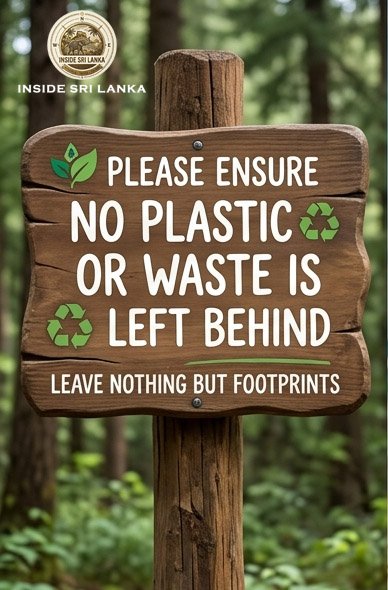
- Take Trash Back: Ensure no plastic or waste is left behind.
- Stay in the Jeep: Never step out of the vehicle unless in a designated rest area.
Conclusion: Embracing the Wild
Sri Lanka is a country where the wilderness is never too far away. Whether it is the sound of an elephant trumpeting in the distance or the sight of a leopard’s golden eyes through the brush, these national parks offer a connection to nature that is rare in the modern world. Plan your 2026 safari with respect and curiosity, and the island’s wild side will surely reward you.