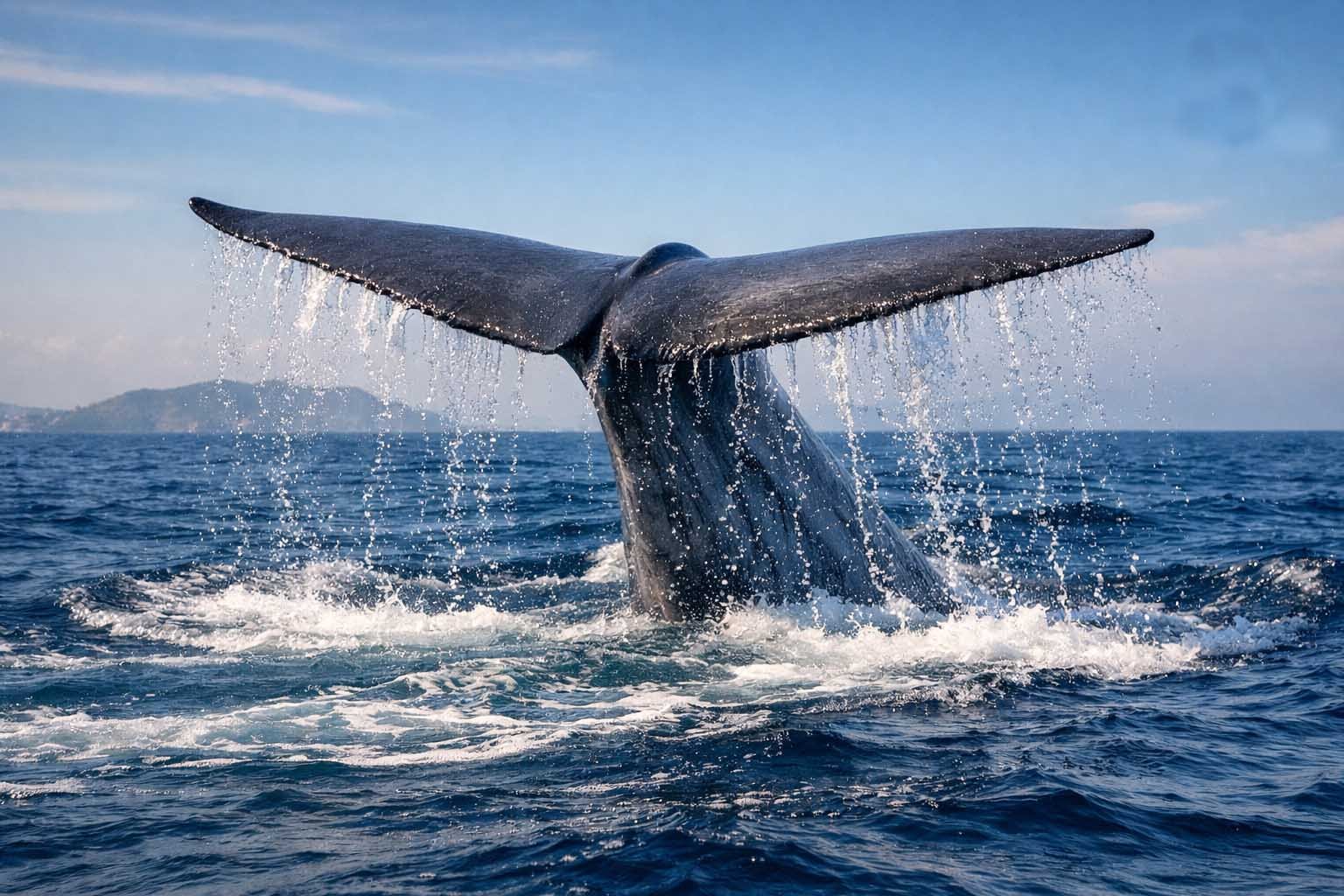
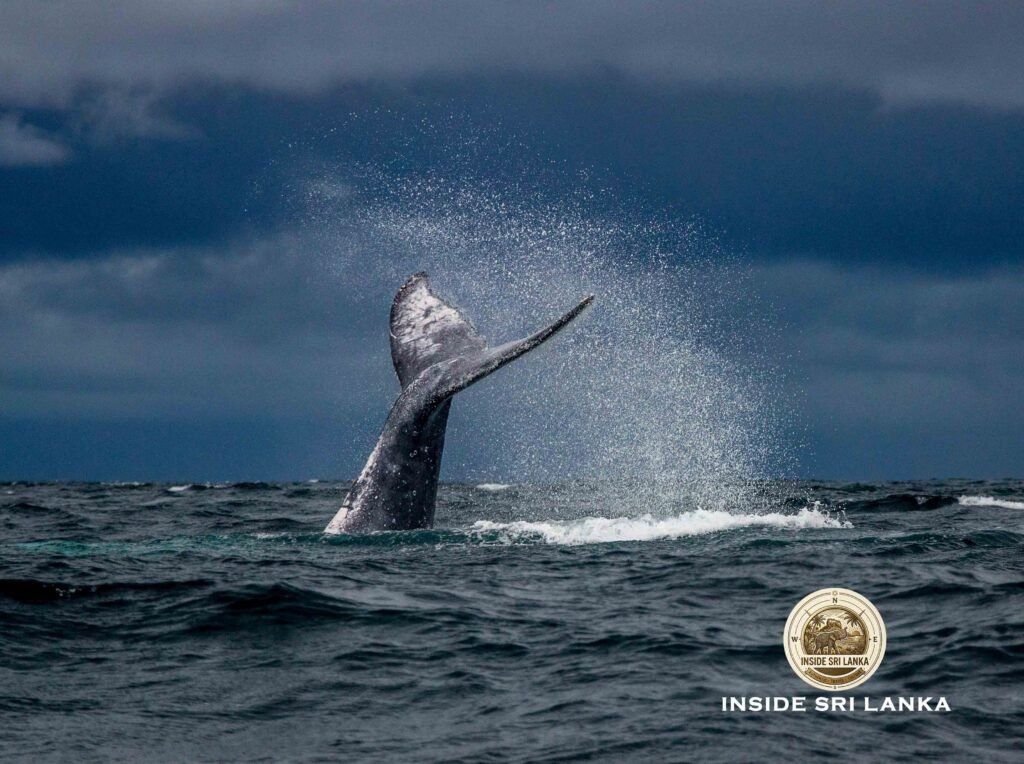
Imagine standing on the deck of a boat, the salty sea breeze in your face, looking out into the vast, deep blue waters of the Indian Ocean. Suddenly, a massive plume of water shoots 30 feet into the air, followed by the appearance of a dark, glossy back that seems to stretch on forever. Then, with a graceful curve, a giant tail fluke rises and dives back into the deep.
This is the magic of whale watching in Mirissa, Sri Lanka—one of the absolute best places on planet Earth to witness the magnificent Blue Whale (Balaenoptera musculus), the largest creature to have ever lived.
Located on the southern tip of Sri Lanka, Mirissa has evolved from a sleepy surf village into a world-class marine wildlife hotspot. In this comprehensive guide, we will break down the science behind why whales love Mirissa, the best seasons to visit, essential safety tips, and how to choose an ethical operator for an unforgettable morning on the ocean.
1. The Science: Why Mirissa is a Whale Paradise
You might wonder why these massive marine mammals congregate so close to Mirissa’s shores. The secret lies just a few miles off the coast at Dondra Point.
Here, the continental shelf drops off drastically into incredibly deep ocean trenches very close to the land. This geological feature creates a natural phenomenon known as “upwelling,” where nutrient-rich cold water from the deep ocean rises to the surface. This water is packed with krill and plankton—the primary food source for blue whales. Because their feeding grounds are so close to the shore, safari boats can reach the whale zones within just 30 to 45 minutes of leaving the harbor.
2. The Sighting Lineup: What Can You See?
While the Blue Whale is the undisputed superstar of Mirissa, the bio-diversity in these waters is staggering. Depending on your luck, a single morning tour can treat you to a variety of marine life:
- Blue Whales: The giants of the deep, measuring up to 100 feet long. You will usually spot their massive blowholes blowing water, their long backs, and occasionally their tails as they take deep dives.
- Sperm Whales: The largest of the toothed whales, famous for their deep-diving capabilities and distinctive angled blow. They are highly social and are sometimes spotted in large groups called “pods.”
- Bryde’s & Fin Whales: Sleek, fast-moving baleen whales that frequently visit the southern coastal waters.
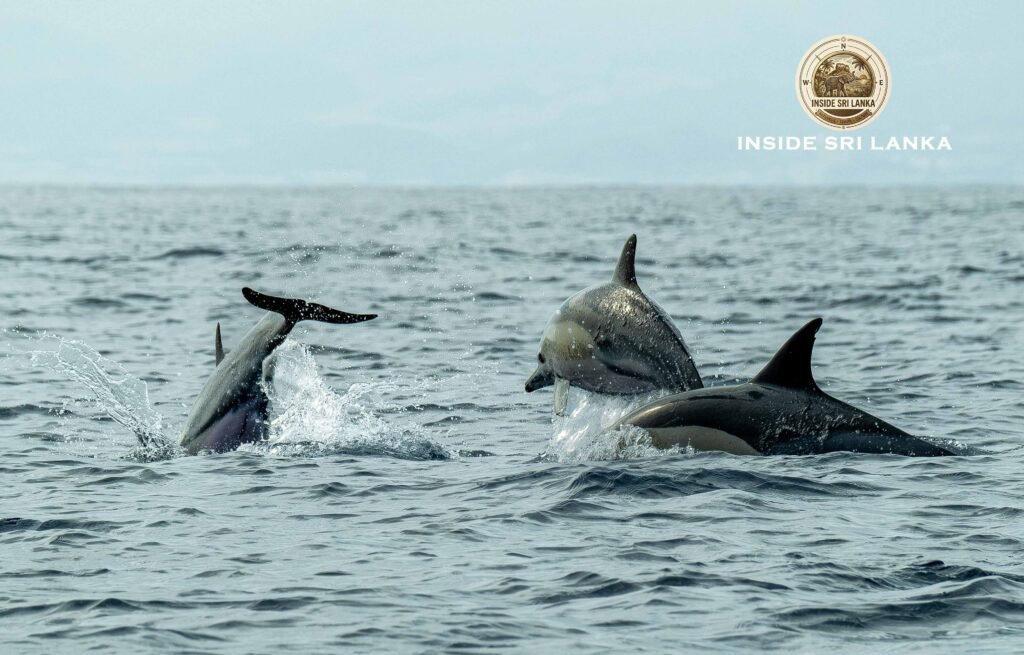
- Dolphins: Thousands of Spinner Dolphins, Bottlenose Dolphins, and Risso’s Dolphins live off the coast. They are incredibly playful and love to leap out of the water, racing alongside the safari boats.
- Bonus Wildlife: It is also very common to spot giant sea turtles swimming near the surface, flying fish gliding over the waves, and rare pelagic seabirds.
3. Timing is Everything: The Mirissa Whale Season
Planning your trip around the right season is critical for a successful safari. The ocean conditions dictate the schedule:
- The Peak Season (November to April): This is the best window for whale watching. The winter dry season brings calm, glassy seas and excellent visibility. Sighting success rates during these months soar to an incredible 95% to 98%, with February and March being the absolute golden months.
- The Off-Season (May to October): During the southwest monsoon, the ocean winds pick up, making the seas incredibly rough and dangerous. Most professional operators completely pause their tours during this time to ensure passenger safety, as the probability of sightings drops and the chance of severe seasickness skyrockets.
4. The Crucial Importance of Ethical Whale Watching
As tourism has grown, protecting these marine giants has become a top priority. The Sri Lanka Coast Guard strictly monitors Mirissa Harbor and the open sea to enforce the Sea Mammals Observation, Regulation, and Control Regulations.
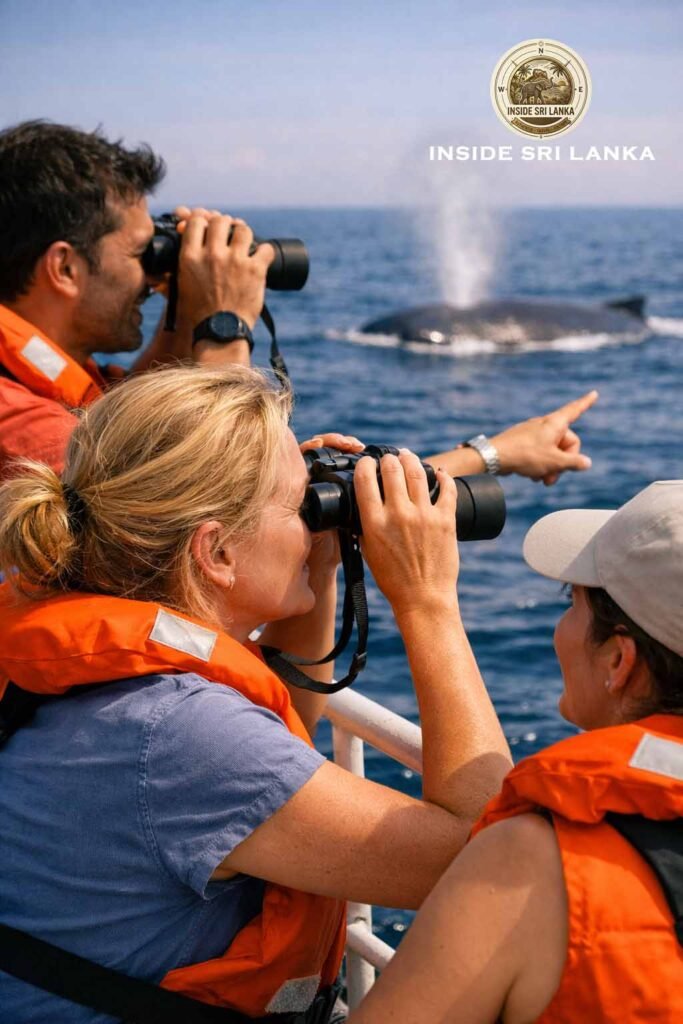
When choosing a tour operator, you must prioritize ethics over cheap prices. Responsible and licensed operators strictly follow these guidelines:
- Safe Approach Distances: Boats must maintain a respectful distance of at least 100 meters from whales and 50 meters from dolphins.
- No Chasing: Engines must be slowed down or turned off completely when approaching a whale. Boats should never circle, corner, or chase an animal.
- Crowd Control: A maximum number of boats are allowed around a single sighting to prevent stressing the animal.
Supporting ethical operators ensures that the whales do not change their migration patterns, keeping them safe for generations to come.
Practical Tips for Your Ocean Safari
The Early Start
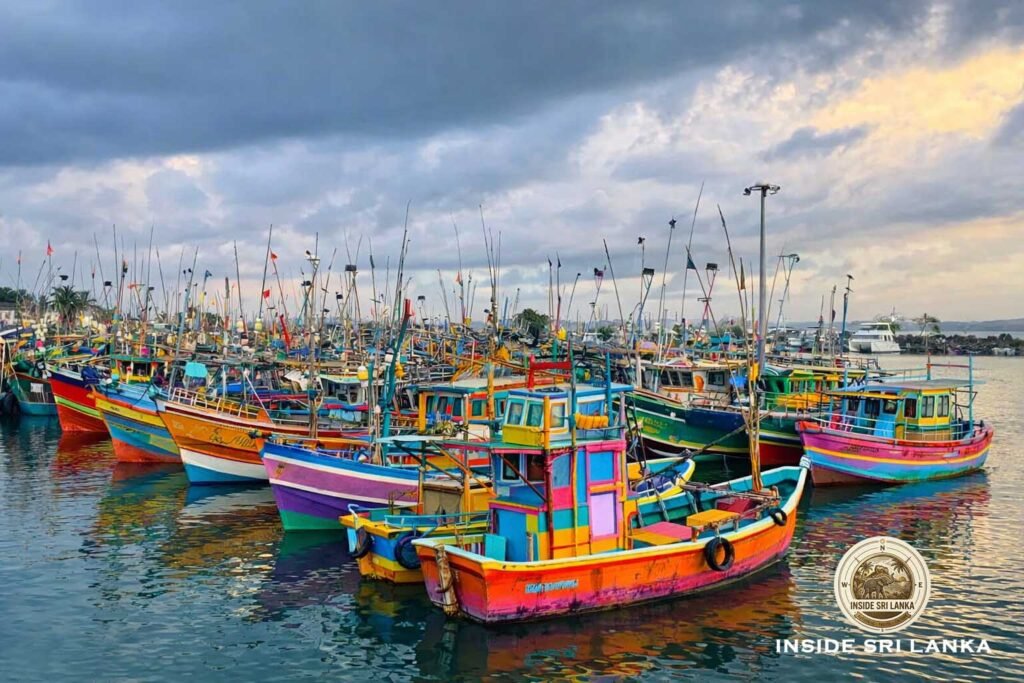
Whale safaris are an early morning affair because the ocean is at its calmest at dawn. Boats typically depart from Mirissa Harbor between 6:00 AM and 7:00 AM. Expect to be back on land by 10:30 AM or 11:30 AM, depending on how far out the whales are feeding. Most quality tours include a fresh breakfast box and warm tea on board.
Beating Seasickness
Even on calm days, the rolling swells of the deep Indian Ocean can cause motion sickness.
- Take a seasickness tablet (like Avomine) at least 30 to 45 minutes before boarding the boat. Taking it once you already feel sick does not work.
- Eat a very light, non-greasy breakfast before the trip.
- Sit on the lower deck near the center of the boat, where the rocking motion is felt the least, and keep your eyes locked on the horizon line.
What to Pack
- Waterproof Bag/Dry Case: Saltwater spray can easily damage high-end camera lenses and smartphones.
- Sun Protection: A hat with a chin strap, sunglasses, and reef-safe sunscreen are essential as the morning sun bounces intensely off the water.
- Camera Gear: A telephoto zoom lens (70-300mm) is ideal for capturing clear shots of the whales from a safe, legal distance.
Conclusion: An Unforgettable Marine Encounter
Whale watching in Mirissa is not just another holiday activity; it is a humbling reminder of the sheer scale and beauty of nature. Seeing a creature larger than any dinosaur glide effortlessly through the deep blue ocean is an experience that stays with you forever.
By planning ahead, preparing for the waves, and choosing a crew that respects the ocean, your journey into Mirissa’s blue waters will easily be one of the greatest highlights of your Sri Lankan adventure.