Sri Lanka is a land of many wonders, but nothing compares to the raw, untamed beauty of Yala National Park. Spanning across the southeastern coast of the island, Yala is not just the most popular wildlife destination in Sri Lanka; it is one of the best places in the entire world to witness leopards in their natural habitat.
Whether you are a professional photographer or a traveler looking for an adrenaline-pumping safari, Yala offers an experience that stays with you forever. In this guide, we dive deep into the secrets of the jungle, the best times for a safari, and how to increase your chances of spotting the elusive big cat.
1. The Landscape: A Unique Mix of Ecosystems
One of the secrets behind Yala’s incredible biodiversity is its varied landscape. Unlike many other parks, Yala combines semi-arid scrub forests with lush moist forests, freshwater lakes, and even a stunning coastline.
The park is divided into five blocks, with Block 1 (Palatupana) being the most famous and most visited due to its high density of leopards. As you drive through the park, the scenery changes from giant monolithic rocks (perfect for leopards to sunbathe) to quiet lagoons where crocodiles lurk just beneath the surface.
2. The Leopard King: Why Yala is Special
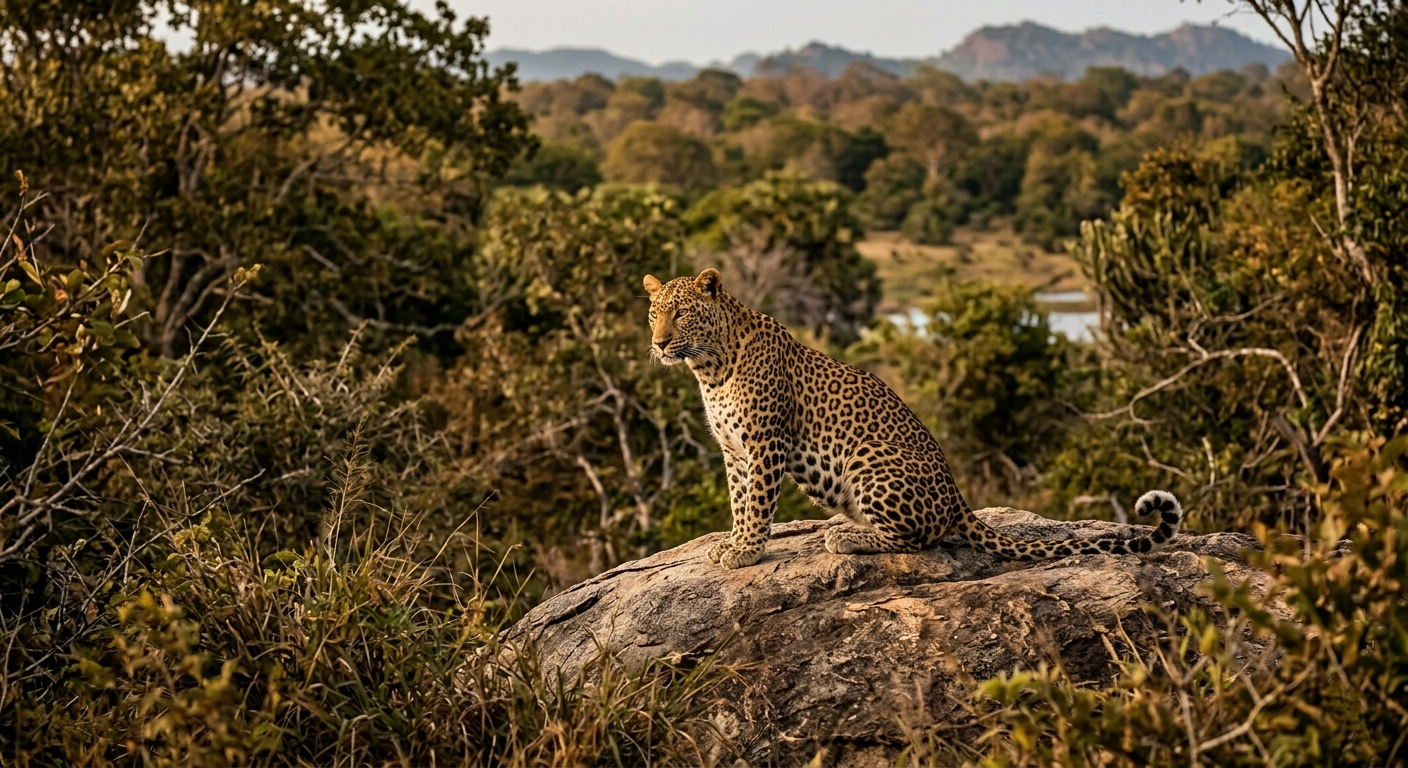
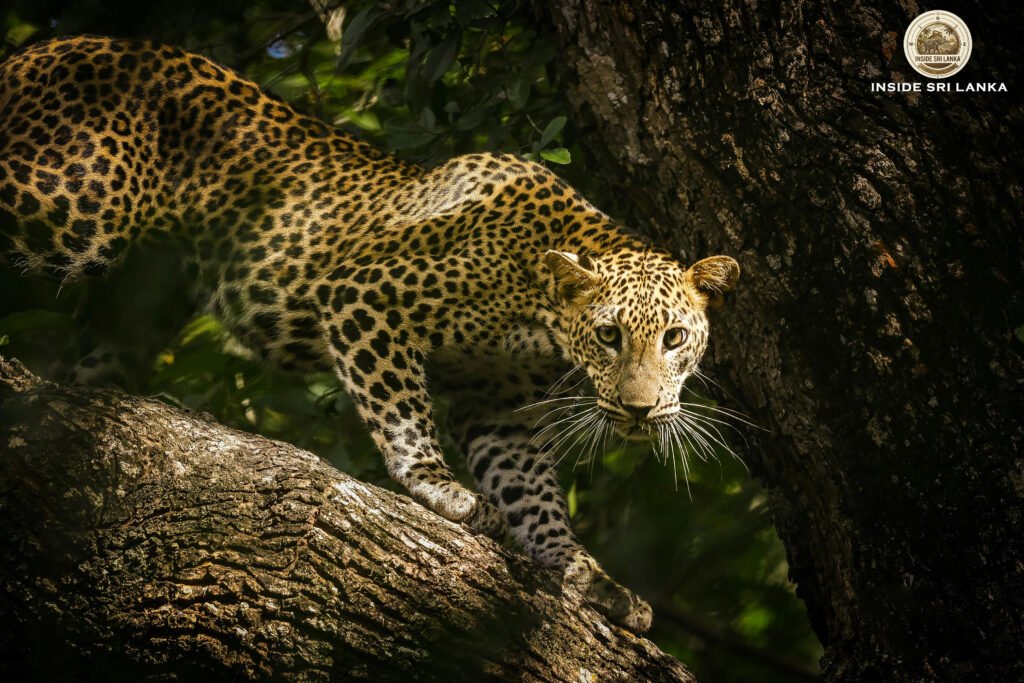
The star of the show at Yala is undoubtedly the Sri Lankan Leopard (Panthera pardus kotiya). It is estimated that Yala has one of the highest leopard densities in the world.
Because there are no lions or tigers in Sri Lanka, the leopard is the apex predator here. This makes them bolder and less shy than leopards in Africa. Seeing a leopard casually walking across the safari track or resting on a massive “Leopard Rock” is a common, yet breathtaking, sight in Yala.
3. The “Big Three” and Beyond
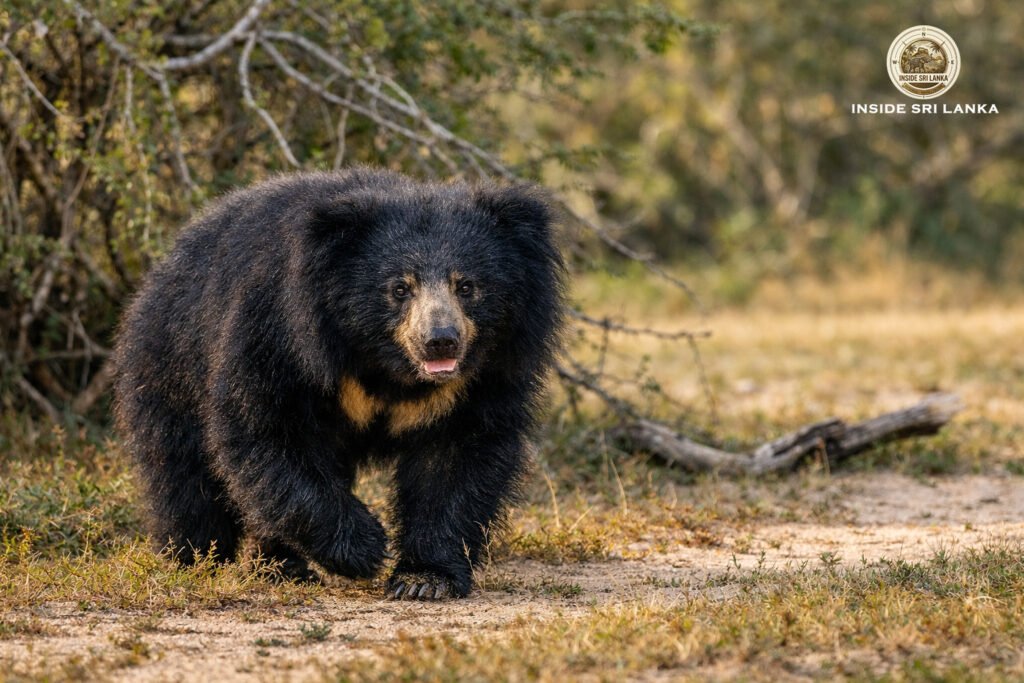
While leopards get all the fame, a Yala safari is a treasure trove of wildlife. Look out for the Sri Lankan Sloth Bear, which is often seen during the Palu fruit season (May to July). Then there are the Sri Lankan Elephants, which are smaller but more majestic than their African cousins.
In addition to the “Big Three,” you will encounter:
- Reptiles: Huge Mugger crocodiles and Monitor lizards.
- Birds: Over 200 species, including the vibrant Painted Stork and the majestic Changeable Hawk-eagle.
- Mammals: Spotted deer, Sambar deer, Wild boar, and Grey langurs.
4. When to Visit: The Secret of Timing
Timing is everything when it comes to wildlife. If you visit at the wrong time, you might only see a lot of trees and dust!

- The Dry Season (February to June): This is the best time for leopard sightings. As water holes dry up, animals gather around the remaining lagoons to drink, making them easy to spot.
- The Park Closure: Take note that Yala Block 1 usually closes for about a month (usually in September or October) for maintenance and to give the animals a rest during the peak of the dry season.
- Time of Day: Safaris are best at the “Golden Hours”—either early morning (6:00 AM) or late afternoon (3:00 PM). Animals are most active when the sun is not too harsh.
5. How to Book the Perfect Safari
If you are staying in Tissamaharama or near the Palatupana entrance, you have several options:
- Half-Day Safari: Lasts about 3-4 hours. Good for a quick look.
- Full-Day Safari: This is my personal recommendation. It starts at 6 AM and ends at 6 PM. It gives you the best chance to see the Sloth Bear and Leopards in different parts of the park.
- Luxury Camping: For a truly immersive experience, you can stay in luxury tented camps on the border of the park, where you wake up to the sound of jungle fowl and peacocks.
6. Essential Rules for a Responsible Safari
To keep Yala beautiful and safe for animals, travelers must follow strict rules. As a local guide, I always emphasize these points:
- Keep Quiet: Loud noises stress the animals.
- No Feeding: Feeding wild animals disrupts their natural diet and behavior.
- Stay in the Jeep: Never, under any circumstances, get out of the vehicle unless you are at a designated rest area (like the Patanangala beach).
- Take Your Trash Back: Plastic is a silent killer in the wild.
7. Nearby Attractions: Beyond the Jungle
If you have an extra day, don’t miss these spots near Yala:
- Kataragama Temple: A sacred multi-religious site visited by Buddhists, Hindus, and Muslims.
- Sithulpawwa Rock Temple: An ancient monastery located deep inside the park (you can visit this even during a safari). It’s over 2,000 years old!
- Bundala National Park: If you love birds, Bundala is just a short drive away and much quieter than Yala.
Local Insider Tips from Inside Sri Lanka:
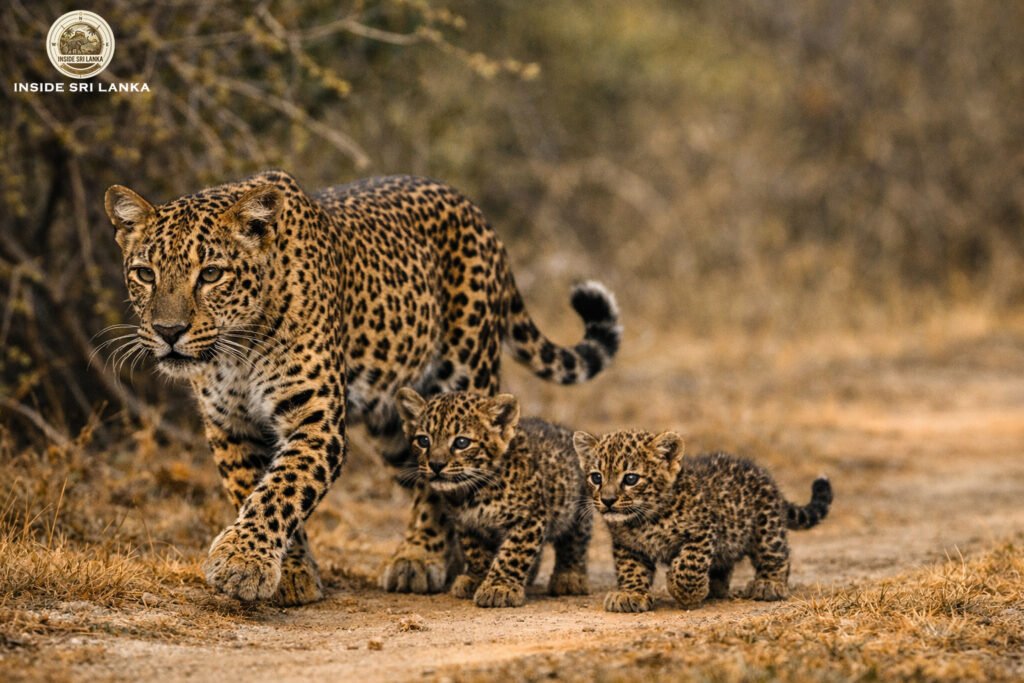
As someone who has spent many years exploring the southeastern wilds, my best advice is to be patient. The jungle is not a zoo. Sometimes you might wait for an hour by a waterhole and see nothing, and then suddenly, a mother leopard and her cubs walk right past your jeep.
Also, ask your driver to go to the less crowded tracks in Block 1 or explore Block 5 for a more peaceful experience. The magic of Yala is not just in seeing the animals, but in feeling the heartbeat of the wild.