Sri Lanka is often called the “Galapagos of Asia,” and for good reason. For a small island, the sheer density of wildlife is staggering. If you are planning a trip to experience the wild side of this paradise, you will almost certainly find yourself choosing between two legendary giants: Yala National Park and Wilpattu National Park.
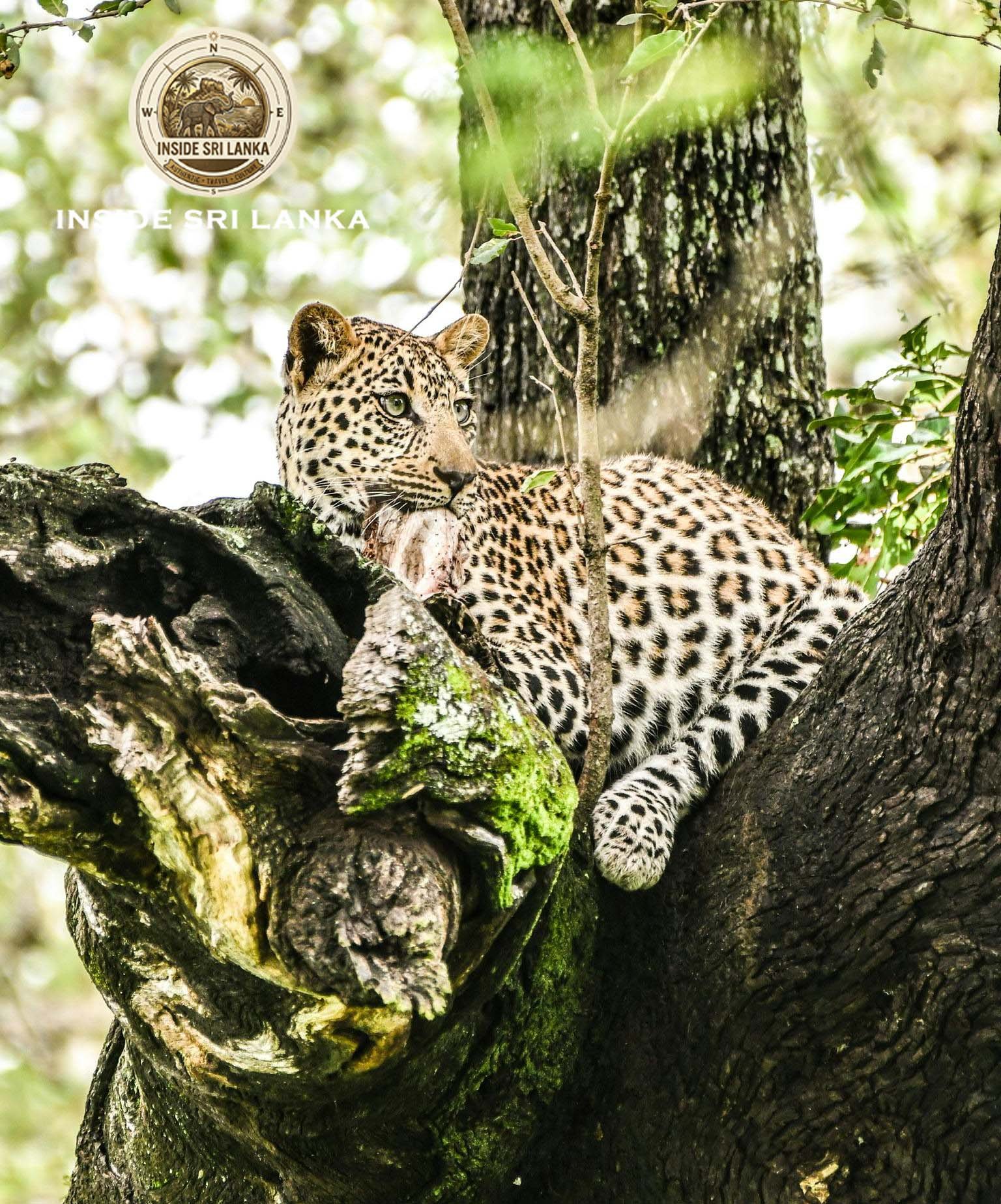
Both parks are world-class destinations for spotting the elusive Sri Lankan leopard (Panthera pardus kotiya), sloth bears, and massive herds of Asian elephants. However, the experience you will have in each park is completely different.
This comprehensive guide will break down the landscapes, the crowds, the sighting probabilities, and the vital updates to help you choose the perfect safari for your travel style.
1. Yala National Park: The Leopard Kingdom
Located in the southeast of the island, Yala is Sri Lanka’s most famous wildlife destination. It is globally renowned for having one of the highest densities of leopards in the world.
The Landscape
Yala features a stunning, dramatic ecosystem where dry woodlands and thorny scrub jungle meet the soft white sands of the Indian Ocean. Seeing a leopard resting on a massive granite boulder with the blue ocean crashing in the background is a visual masterpiece unique to Yala.
The Wildlife Vibe
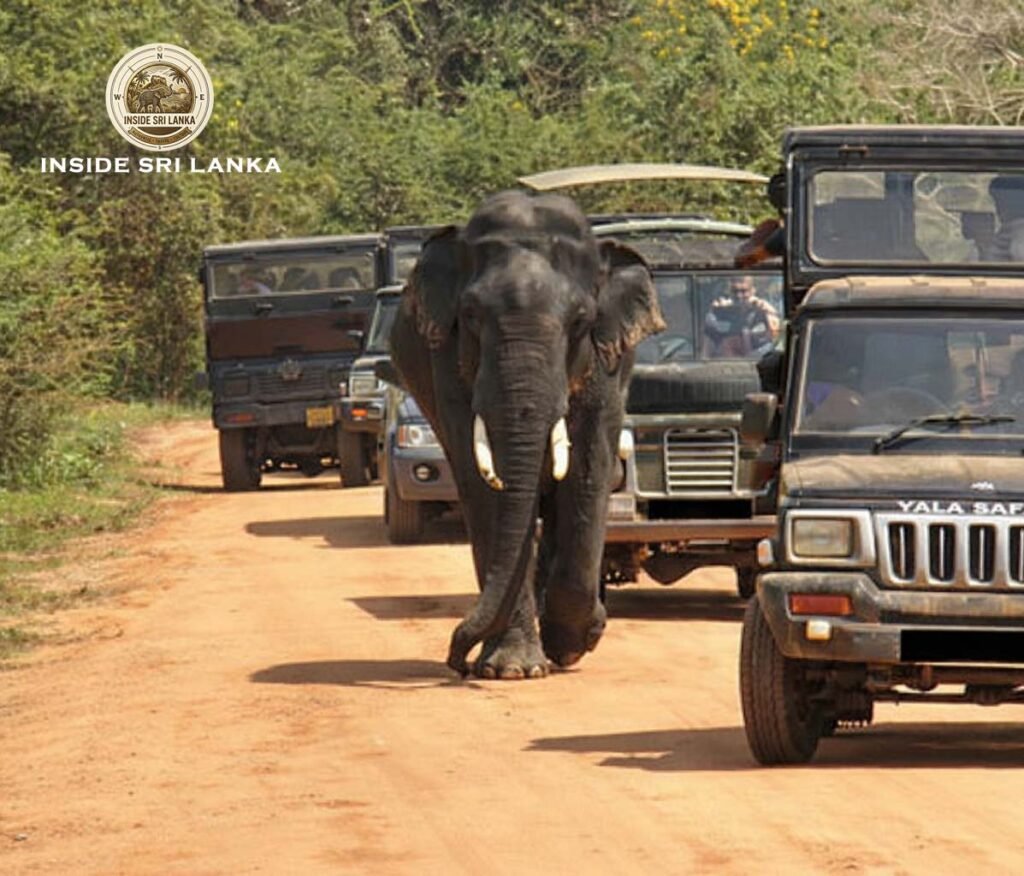
Because of the sparse vegetation, wildlife spotting here is relatively easy. Beyond leopards, you are highly likely to see spotted deer, wild boars, mugger crocodiles, and large tuskers.
The Crowds and the Crucial Updates
Historically, Yala’s biggest drawback was overcrowding. The phenomenon of “leopard jams”—where dozens of jeeps rush to a single sighting—often ruined the wilderness feel.
However, major conservation changes have been implemented. The Department of Wildlife Conservation has introduced strict daily vehicle caps (limiting entries to 300 jeeps per day) and a mandatory digital e-ticketing system with QR code scanning. This means travelers must pre-book online, ensuring shorter queues and a much quieter, more respectful environment for the animals.
2. Wilpattu National Park: The Land of Lakes
Located in the northwest, Wilpattu is Sri Lanka’s largest and oldest national park. It offers a starkly different experience—one of deep peace, dense jungle, and untouched wilderness.
The Landscape
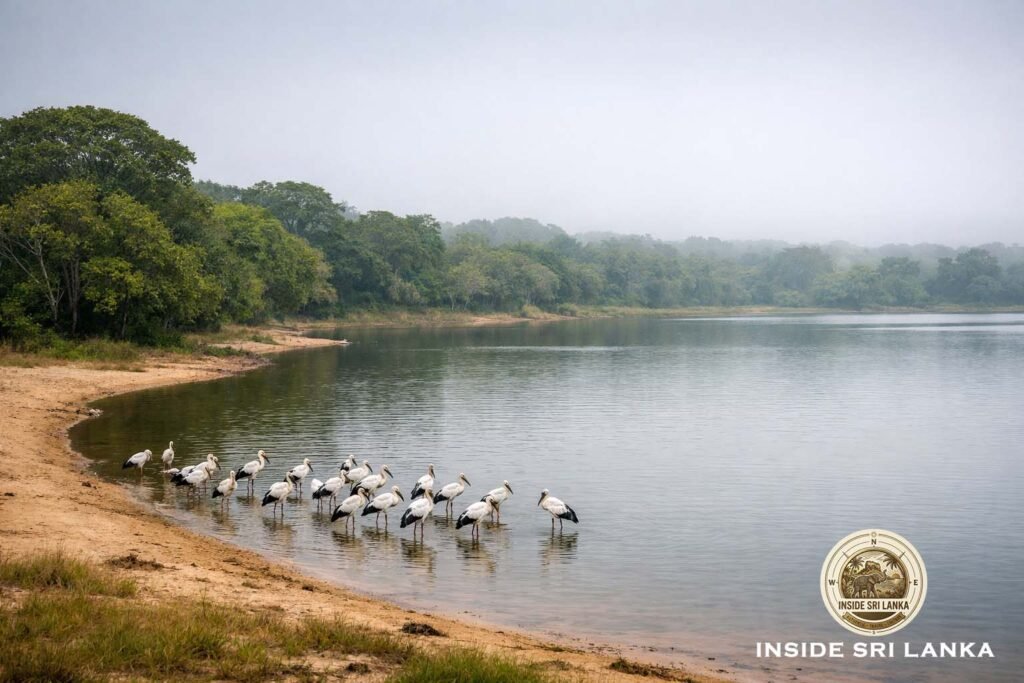
The word Wilpattu translates to “Land of Lakes.” The park is unique for its Willus—natural, rainwater-filled lakes framed by open grassy plains. The forest is thick, lush, and deeply green, giving you the distinct feeling of stepping into Rudyard Kipling’s Jungle Book.
The Wildlife Vibe
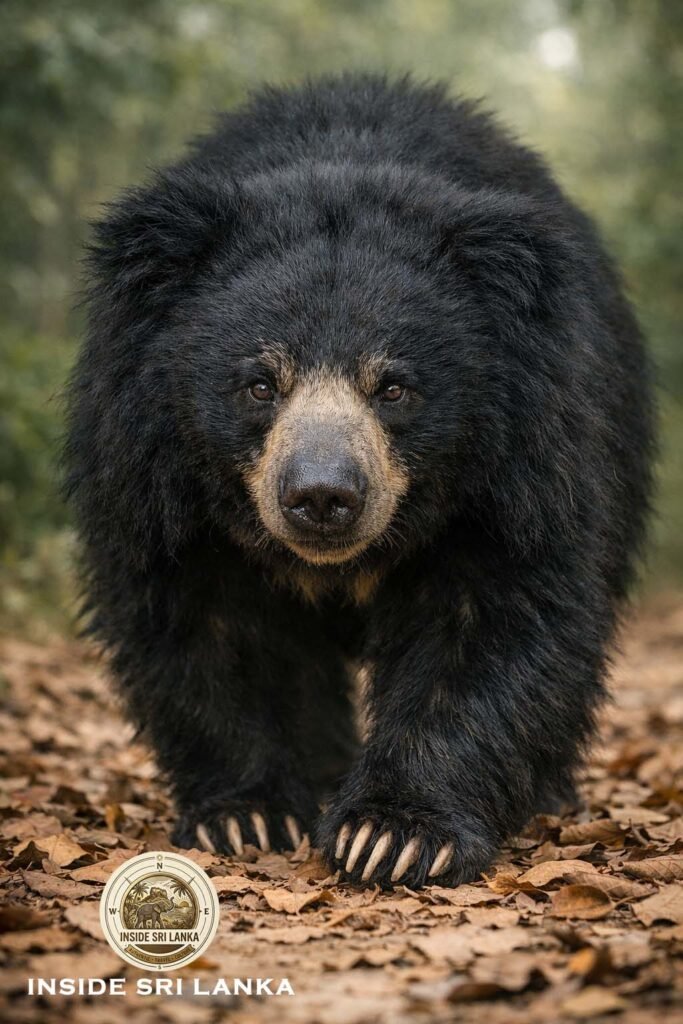
The leopard population in Wilpattu is healthy and thriving, but because the jungle is dense, spotting them requires patience and a sharp eye. Safaris here are longer and more immersive. Wilpattu is also considered the absolute best park for spotting the shy Sri Lankan Sloth Bear, especially near the lakes during the dry season.
The Crowd Factor
If you despise crowds and want an authentic wilderness experience, Wilpattu is your paradise. It receives a fraction of the tourists that Yala does. You can often drive for an hour without seeing another safari jeep, allowing you to watch animals behaving completely naturally without any engine noise or disruption.
3. Head-to-Head Comparison
| Feature | Yala National Park | Wilpattu National Park |
| Primary Focus | Maximum leopard probability, dramatic coastal views. | Peaceful wilderness, sloth bears, birds. |
| Vegetation | Arid scrub jungle, open plains, beaches. | Dense dry-zone forest, natural lakes (Willus). |
| Crowd Levels | Moderate to High (Regulated by new 2026 booking caps). | Very Low and Peaceful. |
| Safari Duration | Typically 3–4 hours. | Immersive 5–6 hours or full-day drives. |
| Best Travel Windows | February to July. | February to October. |
4. Seasonal Alerts: The September Factor
When planning your itinerary, seasonal closures are incredibly important. Every year, usually during the month of September, Yala Block 1 closes its gates to the public for drought relief. This closure allows the water sources to replenish and gives the wildlife a much-needed break from human interaction.
If you are traveling to Sri Lanka during late August or September, Wilpattu is your definitive choice for a big-cat safari, as it remains open and offers spectacular dry-season wildlife gatherings around its natural lakes.
Practical Guide for Safari Success
How to Pack
- Earth-Toned Clothing: Wear khaki, olive green, or brown. Avoid bright whites or neon colors that can startle the animals.
- Dust Protection: Bring a scarf or face mask, as the gravel tracks get incredibly dusty.
- Camera Gear: A zoom lens (at least 300mm) is highly recommended for capturing clear shots of birds and predators hiding in the brush.
Ethical Safari Etiquette
The quality of your safari often depends on your driver. Choose reputable, licensed operators who respect the environment. Always instruct your driver to turn off the engine when approaching a sighting and never encourage them to speed or get too close to wild elephants.
The Verdict: Which One Should You Choose?
- Choose Yala if: You are on a tight schedule, traveling along the popular south coast, and your absolute number-one priority is ensuring a leopard sighting with high-probability visuals. Just remember to use the digital portal to book your slot well in advance.
- Choose Wilpattu if: You are a serious photographer, a birdwatcher, or a traveler who values true solitude, deep forest tracking, and seeing wildlife in a tranquil environment without the hassle of safari traffic.
Whichever park you choose, entering the wild side of Sri Lanka is an unforgettable journey into an ancient, untamed world.